RAR #89: Andrew Pudewa is back!

It could be said that if not for a slightly impulsive email to Andrew Pudewa, the Read-Aloud Revival might not exist.

That’s right – today I am welcoming back Andrew Pudewa from the Institute for Excellence in Writing – who was also the very first guest on the podcast.

In this episode, you’ll hear:

  • why reading aloud matters
  • when to start literary analysis with our kids (the answer might surprise you!)
  • what to do if your kids want you to read all their schoolwork to them

Click the play button below:

Listener Guide

Use the time stamps below to skip to any part of the podcast:

  • 5:14 How The Read-Aloud Revival was born
  • 6:49 Why read aloud with older kids?
  • 10:15 What is reading comprehension really?
  • 13:03 Encouraging kids to read better books
  • 20:16 When should I worry about my late reader?
  • 24:09 Should I read aloud my child’s assignments?
  • 25:04 When should I start literary analysis?
  • 28:43 Homeschooling high school
  • 33:23 Let the kids speak

A couple takeaways …

  • Treat them like individuals.

“One of the worst things we do is we attach grade level to age, and then we assume because a child is a certain age, he should have certain knowledge or skills or ability and it never works out that way … Let’s treat kids like individuals and not get attached to the age-grade-ability paradigm that’s so destructive.”

  • What lights them up.

“It reminds me of the Charlotte Mason philosophy to give your child something to think about, something to do and something to love … Giving them the time and space and opportunities to figure out what’s going to light them up.”

Books from this episode:

(All links are affiliate links.)
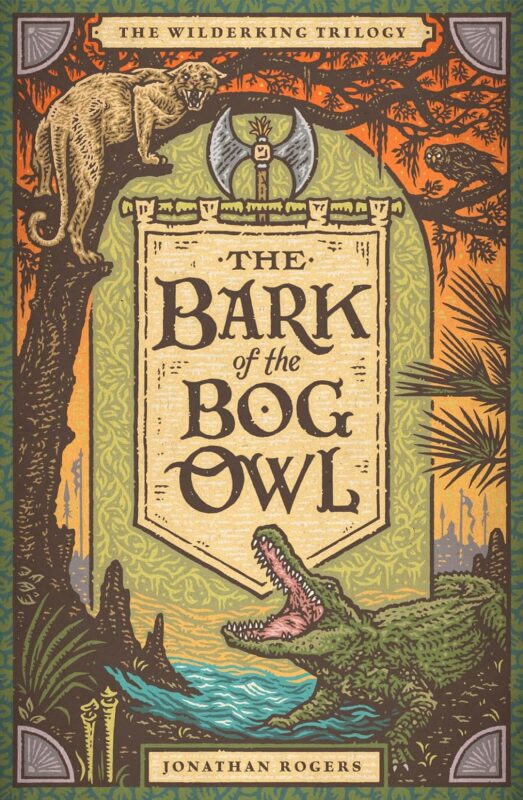
The Bark of the Bog Owl
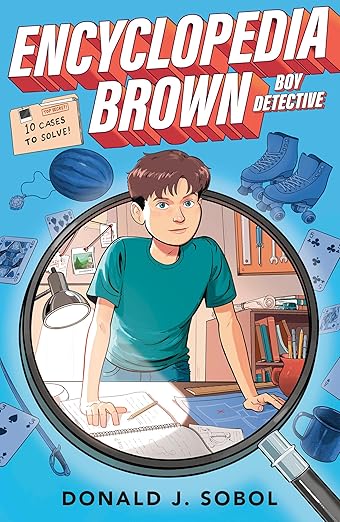
Encyclopedia Brown, Boy Detective
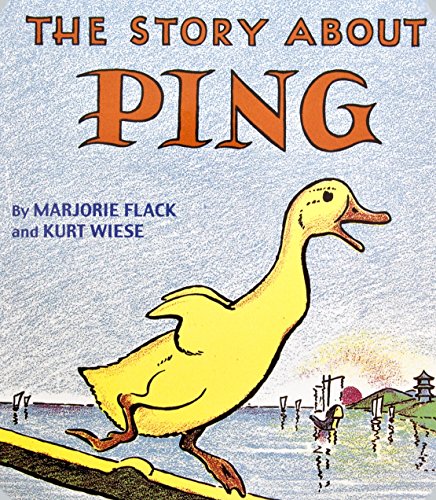
The Story About Ping
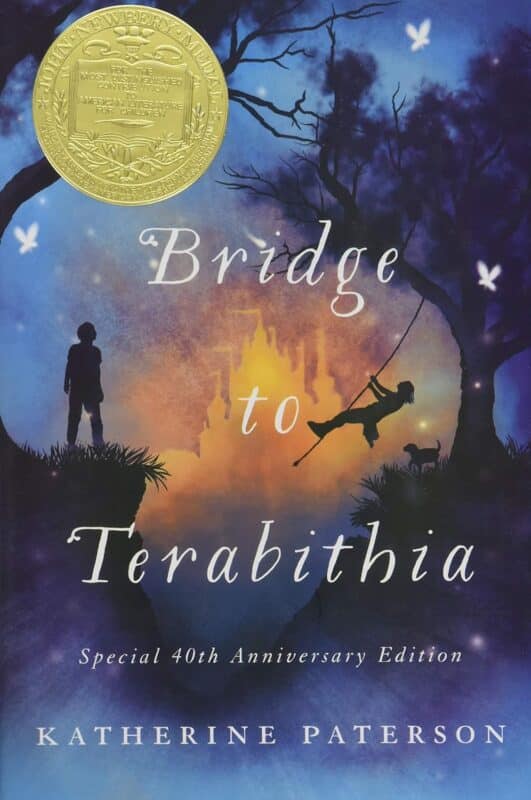
Bridge to Terabithia
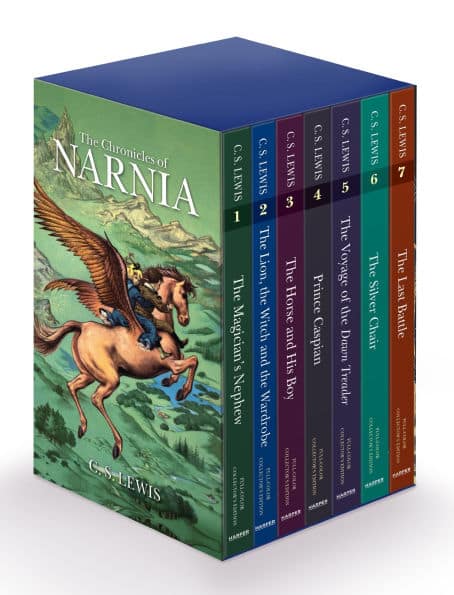
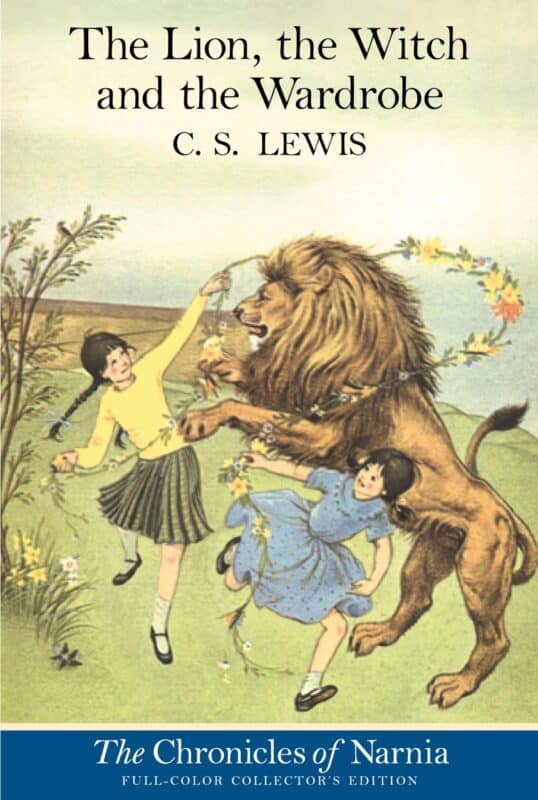
The Chronicles of Narnia Box Set
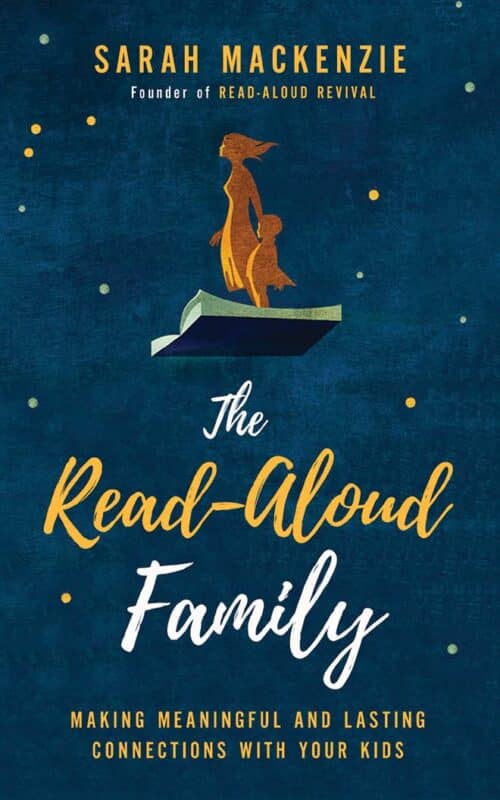
The Read-Aloud Family: Making Meaningful and Lasting Connections with Your Kids
The Lion, the Witch and the Wardrobe

You’ll also enjoy:

17 Comments

  1. I would LOVE LOVE LOVE NEED NEED NEED a list of the books Andrew Pudewa put on his son’s ipods!!!!!!!!! Thank you so much for this episode! Love the podcast!!

  2. I really struggle to find the time (&energy) to read aloud to my public school children when I also have toddlers? They get home and are so hangry. Then we have cleanup/chores homework and they also desire some downtime. By then it’s bedtime for the little ones and mommy is exhausted…🤪😴

  3. Hi I am the grandmother of Noah Andreas and Abigail (some of the kids on this podcast.. I love your discussion on reading aloud to kids. and Andrew’s comments on reading books tgat push them along in a literary sense. I didnt home school but I loved to readaloud to the kids something we did every day before we all went our separate ways. Sone of the books were what I call improving books… like ” Who are you when no one’s looking”. Sometimes tgey didnt get it but it was always food for discussion. They sre all proactive learners now as adults with their own fsmilies… love it !

  4. This podcast so encouraged me that I shared it with my Homeschool Resource Library Facebook Group. We look forward to our “Read Aloud” time. There are 5 students. Several of them like to draw while listening. I’m not one hundred percent convinced that they can listen and draw. Thoughts?

    1. My children draw color or play quietly while we read aloud. Some look at other books. Yes children need to move sometimes to listen better.

  5. I usually agree with almost everything Andrew Pudewa says. But I respectfully disagree with some of the argument here, because it does not agree with my experience. My own love of classic literature was inflamed by literary analysis, not killed. This is because I could better understand the meaning and appreciate how the author created that meaning through form and language. The works came more alive to me then; my initial enjoyment of a compelling plot or beautiful poem deepened and gave me enduring pleasure in them. Each reading would then be new; I’d discover something else the author was up to. I did have the benefit of good teachers who instilled close reading and analysis as a means of listening to an author and his meaning and purpose (as opposed to deconstruction and other reader-driven analytical models that find what they want to find in the works rather than what the author put there). I became an English major because of this passion, and teach literature to juniors and seniors because of this passion. This same passion could be found in my teachers, in my friends and colleagues, in my students.

    It is similar to classical music: I did not enjoy it much at all until I took a Great Courses class on music theory and the history of musical forms from the earliest we know of to the 20th Century. After learning the forms, I began to enjoy listening to Mozart, Beethoven, etc. because I understood what they were doing for the first time.

    Further, writing essays about literature did more for my love of it than anything else. I did not really understand a work until I sat down and write a thesis defining what the author’s purpose was in some particular or another. The process of writing was (and is) a process of discovery in which I would immerse myself in the author’s language and form and really listen to him or her.

    Obviously, this is not true for everyone. But with good teachers, it can be true of more readers. That is why I say that literary analysis need not “kill the puppy”; it is not the same as dissecting a living being. It is more like getting to know that living being through his words and (literary) choices. It is really more intimate and relational. O Conrad, why did you put Marlow on that boat and then tell his story through the frame narrator? Do you agree with Marlow’s presentation of the human heart, or don’t you? Or O Shakespeare, why does Macbeth refer to “a naked newborn babe / Striding the blast” when talking about the power of pity? What are we to think of that contradiction when we look at all the other baby references in the play?
    These are the kind of questions that analysis compels us to ask, questions that get at the heart of the meaning. And without understanding of that meaning, our reading remains only the enjoyment of a great story (or a dislike of more difficult authors like Shakespeare, John Donne, Milton, Conrad, etc.) rather than grappling with the truths of human life.

    1. Dear Lynn, thank you for your comment. This is also my experience of literature. I always loved reading and analysing some works made me appreciate them so much more. The interesting thing is that sometimes I really hated to analyse when I had to do it. It is only after, that I really understood the book or play or poem better and had to admit that it helped me immensely, which made the analysing worthwhile.

      There are a few things that I found really important though: my teacher was very passionate – it was infectious! ( I had one teacher who was not like that and it was painful to even talk about books in her class)
      The analysis was a part of a wider “story”. We did literature in chronological order and always had a historical background, art created at the time, music and prominent worldview or philosophy explained. I only started enjoying this at the age of 13 or 14, probably when I was able to understand references to historical events, mythology, other bits of literature.

  6. I wonder what Andrea would say to the question if you are a busy mom and have limited time possibly only two hours a day to spend in teaching or reading aloud what would he suggest do more reading aloud or spelling grammar and phonics? How would he use two hours a day in homeschool ?

  7. What was here was wonderful. It seemed like the podcast was shorter than I anticipated. I know Andrew could answer many more questions for us.I like the question answer approach. And I would love to hear more about his own homeschooling Experiences and stories

  8. “And that’s why God allowed Man to create the iPod” was the best line in the whole thing! LOL! My son also has an mp3 player loaded with audio books only. He has upgraded to cool headphones now that he’s 11, but he still listens every day.

    So my son was a good reader (decoder) but really fought his reading practice time. Upon reflection, I wonder if it was the early readers were so insipid? He wanted story and adventure and it must have been such a disappointment for him. Just a thought to ponder for myself.

  9. What a treat to wake up to this in my inbox! I am in my first year of the homeschooling journey with my kids and what a struggle the first year can be! My two boys are “in” 2nd and 1st grade, and my daughter is learning kindergarten. The RAR podcast and premium membership classes have been SO helpful in helping me CHILL about this homeschooling thing.
    One thing I have learned in the way of the topic of teaching kids as individuals is that teaching kid to read is kind of like potty training; just wait until they are ready!!! It makes life SO much easier on both parties!!! (Less mess and less drama, too.)
    Also, when kids have been exposed to a bricks and mortar school, taking several months off to just read aloud to them and let them play and be kids is very useful in many ways. It is especially helpful in their readiness and willingness to learn coming off of long, punishing days in a classroom.
    Listening to this podcast is just the little push I needed to put in the first IEW Structure and Style DVD so I am ready for that when my kids are ready. :)
    Excited for the release of “Read-aloud Family!”.
    Thank you for all you do at RAR!!

  10. It was SO encouraging to hear Andrew talk about his son with dyslexia! I have twins with dyslexia and it’s been and will be a long road. They are 10 years old and I estimate them probably being able to really read comprehensively by 12 myself, based on the progress we’re making through our intervention curriculum.

    And that leads me to a guest idea. I’d LOVE to hear from a guest who has a lot of experience with dyslexic children talking about how they encourage and support dyslexic readers. My kids WANT to read and love audio books. They’re comprehension is great. It’s the decoding that is such a challenge.

    Thanks Sarah!

Leave a Reply

Your email address will not be published. Required fields are marked *