RAR #288: Why Board Books Are Important Tools (and Toys!) with Tabitha Paige
There is a type of children’s book that we haven’t talked much about here in twelve years of Read-Aloud Revival. But it’s one that almost anyone who has spent time with babies knows well: board books.
Board books are how so many of our kids meet stories and books for the first time. They’re often the first books babies and littles are able to really get their hands (and mouths!) on, and experience touching the pictures and turning the pages for themselves.
So today, we’re going to do a bit of a deep dive on board books, and I couldn’t think of a better person to join me for this than bestselling author and illustrator Tabitha Paige. Tabitha is a speech language pathologist as well as a creator of absolutely stunning board books, and in this episode she shares all about what they can do for our littlest readers as well as what to look for when choosing board books.
In this episode, you’ll hear:
- How board books create positive experiences that make kids want to come back to books again and again
- Why realistic illustrations are an important tool for building vocabulary
- The way the multi-sensory experience of physically interacting with a board book enhances learning
Some links are affiliate links
Learn more about Tabitha Paige:
Books and Resources Mentioned in This Episode:
- RAR #287: Bringing the Outside Into Your School Year with Ginny Yurich
- RAR #141: Why Re-Reading is Possibly the Best Reading
- See more of our favorite board books here

Tabitha Paige (00:00):
I love to create books and teach parents how to use that as a tool and as a toy and a way to grow the interaction between you and the child.
Sarah Mackenzie (00:10):
Yeah.
Tabitha Paige (00:10):
This is a bonding experience and hopefully a bonding experience that will last till they graduate. We want to love books together.
Sarah Mackenzie (00:34):
Hello, hello. Welcome to the Read-Aloud Revival. This is the show that helps you make meaningful and lasting connections with your kids through books. I'm your host, Sarah Mackenzie. I'm the author of Teaching from Rest, The Read-Aloud Family, and a growing collection of picture books. And today we're going to dive into a topic we haven't really talked about much here at all. In all 12 years the Read-Aloud Revival has been on air, I don't know that we've ever had an episode specifically on board books. And board books are a unique medium to help our children meet books and stories and give them their first encounters with books and stories. So today on the show, I have Tabitha Paige. She is a bestselling author and illustrator. She's an artist. She's a speech-language pathologist. She's a mother and she makes beautiful illustrated board books.
(01:26):
I have a whole bunch of them just stacked up here on my desk. You are going to love these. If you're listening to the episode, you should head over to YouTube and check this video out so you can see some of these books. The illustrations are just absolutely stunning. I think you're going to love them. And we'll also put links in the show notes, of course, to those. But if you haven't encountered Tabitha Paige yet, and her work, I'm so glad to introduce you to her today. Tabitha, welcome to the Read-Aloud Revival.
Tabitha Paige (01:51):
Thank you so much. I'm so excited to be here. I'm fan-girling a little bit. You're a big part of my life, whether you know it or not. So this is a very special moment for me.
Sarah Mackenzie (02:03):
Well, your books are absolutely gorgeous. My oldest daughter and I opened a box full of them together and we're like oohing and aahing over just how beautiful they are. I love that we say sometimes here at Read-Aloud Revival that a picture book is like putting an art gallery in a child's lap and your board books feel like little art galleries for the youngest reader. So before we dive into what makes a good board book or what we're doing with board books, I would love it if you could just share a little bit of your background and what led you to the work you do now?
Tabitha Paige (02:38):
Oh goodness. Okay. Well, my career started actually when I was 15 years old. I was painting murals in downtown Houston. I had a small business and I was a professional artist from a very young age, but I focused primarily on portrait work, realistic artwork, fine art. And nowhere on my to-do list in this life was illustration. I went to school to become an artist and quickly was very, very terrified of becoming a starving artist. And so I decided to get my backup degree, which would be speech therapy because everybody said, "You'll never have a problem getting a job." I loved kids. I had always worked with children with special needs. Seems like the perfect fit. It felt like a job where I could practice some creativity even if it wasn't painting. And so got my degree, got my master's, went into the field, started working thinking, "Well, I'll just continue to paint on the side."
(03:43):
But as a full-time speech therapist, I had no time to paint. And so I spent about five, six years practicing speech therapy and I eventually decided maybe I'll just start this little side business and do it on the side. And I started painting. I had a little Etsy shop. I was doing very small scale things because I was working full time. And pretty soon I began to grow and grow my business and my clients got less and less and my artwork got more and more. And then we began to wholesale and license and the business just took over, never went back into the field. However, I loved speech therapy and I felt like it was truly a gift that God had given me. I loved the creativity that came with especially early childhood language and development.
(04:39):
And a couple years into my art career, a publisher reached out to me and said, "Hey, would you write me a children's book?" And I said, "No, I don't write children's books nor do I illustrate." And he said, "I think you should do it. I've seen your art, with your speech therapy background. I think it could be really great." And I love a good challenge and I was not going to let that one go.
(05:05):
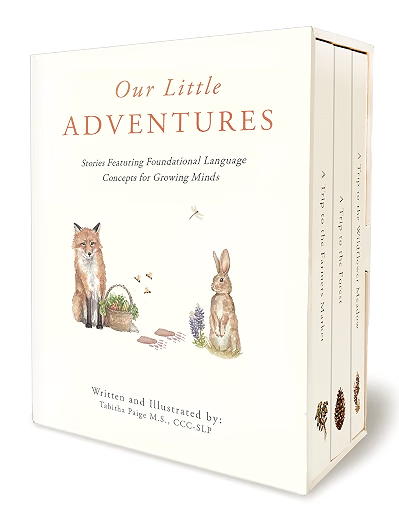
And so I said, "Okay, I'll write you a children's book." So I sat down to write. The next day after I had started, I called my publisher and I said, "I think I need to write a box set with three books in it." He said, "No, it's not going to sell." And I said, "It will sell. Just trust me. I have an idea." And he gave me permission to just take off in the direction that I really wanted to go in. And I wrote, Our Little Adventures, which was my first box set. They were board books and for each book, I chose an early language learning component. So I combined my illustration with just simple storytelling, with some rhyme, and then included things like prepositions and went down that avenue of just exploring what it would look like to merge the two together, my speech therapy and my art. That box set surprised everybody and did very, very well.
Sarah Mackenzie (06:05):
That's a fun surprise.
Tabitha Paige (06:06):
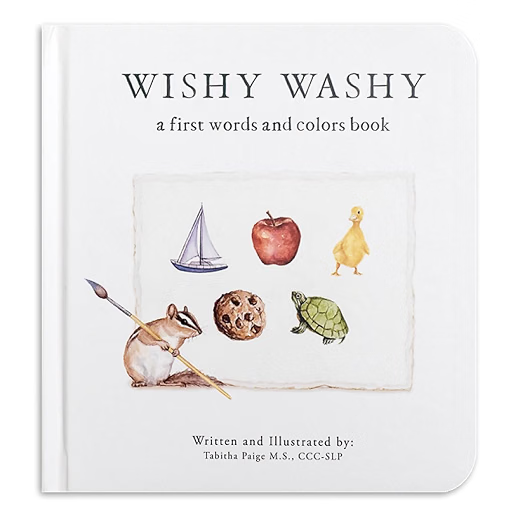
And so then my publisher came back and said, "Okay, I want you to write another children's book." And then this time I really got into it and thought, "Okay, I'm really going to exercise my creativity with this one." And I wrote a book called Wishy Washy, which is one of my favorite books I've ever written. And I've written about 30-plus children's books. This one was so much fun to write and it really gave me license to merge just a creative world with really functional language for those earliest years for children that are developing vocabulary, first words. And I was really able to put it all in this one book. And I would say this book has a actual cult following of children that are obsessed with this book.
Sarah Mackenzie (06:59):
How can they not be? The little chipmunk.
Tabitha Paige (07:02):
I did for that book use a speech therapy tactic. It's at the very end of the book. So if you read through the book to the very end, there's a bug on the last page, spoiler alert. And the intention is you scream, "It's a bug. Shut the book." And you close the book really loud, really hard, and it shocks and surprises the child. And what do they want to do? They want to read it over and over.
Sarah Mackenzie (07:34):
Oh, it's so clever. Yeah.
Tabitha Paige (07:36):
So fun. And this is something that I would do with any book just in therapy. How can we get a child coming back to a book? How can we make this an enjoyable experience? How can we make it physically interactive? And so that book really helped take me into this world. And from there, I just kept creating and coming up with new ideas and new ways to help children or to teach a lesson or to tell a story in my voice, which is maybe a little bit different from other illustrators and artists.
Sarah Mackenzie (08:13):
Yeah. I love that you've got this speech pathology background that's informing the books that you make. Board books are so unique because they are... I mean, I remember walking into the library with my baby, and I know a lot of our listeners are like, "Man, they're going to eat the book, number one. That's one thing that they're going to do." But also these are books that we read again and again and again and again, maybe more than any other books we ever read again. Board books are the ones we revisit over and over. So from your perspective, what makes a really good board book? What should we be looking for?
Tabitha Paige (08:46):
That is a good question because I think board books are one of the best tools you have as a parent when developing your child's language and developing a love for reading. I mean, as you know, this is a lifelong skill and love that we want to create a positive experience from the very first book they ever pick up. I believe we should be showing and giving your child access to books as soon as they're born, black and white books, having them propped up, interacting face to face with a book, and even using a book as a toy, as we saw with Wishy Washy, just that little puff of air they get when you slam the book shut. It's so motivating.
Sarah Mackenzie (09:31):
I can imagine it. I think every single one of my little ones would've been like, "Just turn that right back to the beginning. Let's do that again."
Tabitha Paige (09:37):
They want to hear you yell. They want to feel the book. They want to do it themselves.
Sarah Mackenzie (09:43):
Yeah.
Tabitha Paige (09:44):
It doesn't even matter what the rest of the book was. If they're coming back to a book, we've accomplished our goal. We have created a positive experience with a book. I hear from so many parents that they struggle getting their child to sit down for books. As a speech therapist, I want to say, "Hey, how can we take this tool and change it a little bit and create these positive experiences that gets them wanting to come back?" And then we as the parent get to slowly bring in different skills or a longer amount of time. We get to determine how that book is used to grow that child's reading comprehension, attention, interaction, and eventually reading.
Sarah Mackenzie (10:34):
To me, the idea too, of when you slam the book closed at the end, there's that puff of air. There's that very satisfying thing for a child where they're like, "I want to see that happen again." The ending never changes. It's always the same thing. "Let's go to the end again. Let's get to the end again and see if that happens again." And then it does, and that so reinforces this.
Tabitha Paige (10:52):
Yeah.
Sarah Mackenzie (10:53):
Yeah. Oh God.
Tabitha Paige (10:54):
And the anticipation that, "Oh, it's coming. Oh, it's coming. It's going to be so funny." Those endorphins going through your child and those neurons that are building are making this really unique experience with a book that we rarely think about. We think about books as, "Okay, we're going to sit here and we're going to read our book." But I love to create books and teach parents how to use that as a tool and as a toy and a way to grow the interaction between you and the child.
Sarah Mackenzie (11:28):
Yeah.
Tabitha Paige (11:28):
This is a bonding experience and hopefully a bonding experience that will last till they graduate. We want to love books together.
Sarah Mackenzie (11:37):
Yeah. So many books and toys and things, but let's just talk about the books, for babies, board books are loud, really loud. And that's something that I love about yours or that I would describe them as beautiful and gentle. And of course there's a place for black and white books and there's a lot of books. I'm not saying there's not. But one of the things I love about your books in particular are that they're very soothing. We talk so often about how books are an art gallery for the lap. That's what you're doing here. You've got these soothing, really beautiful pictures. Tell me about the importance of beauty in a board book, or what are you thinking about when you're making your art for a board book?
Tabitha Paige (12:16):
If you've ever gone to an antique store and thumbed through the books, you're going to see a common theme. All of the colors are so much more gentle. They have delicate line work. Most of the books had more realistic illustration, even if it was illustration. You can even look at a Jack Kent storybook, like Socks for Supper or some of those older children's books, and you can tell what's in the picture. I kept seeing this trend as a speech therapist, I would go to pick up a book and I would look through the pictures and I would think, "This isn't a great book to use for vocabulary. How would a child know what this even is? This doesn't even look like a cow. It's purple and green." And while there is a place for that for creativity as a child cognitively grows, we need to be showing our children and our babies a real representation of the world so that their brain can make the connection, the picture to word vocabulary connection much quicker.
(13:26):
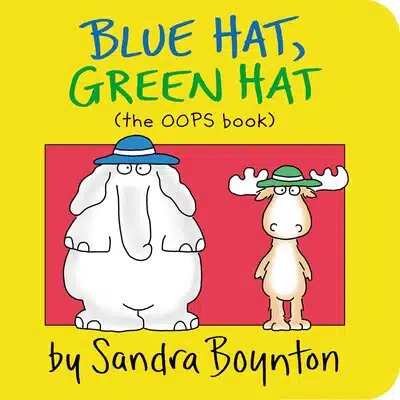
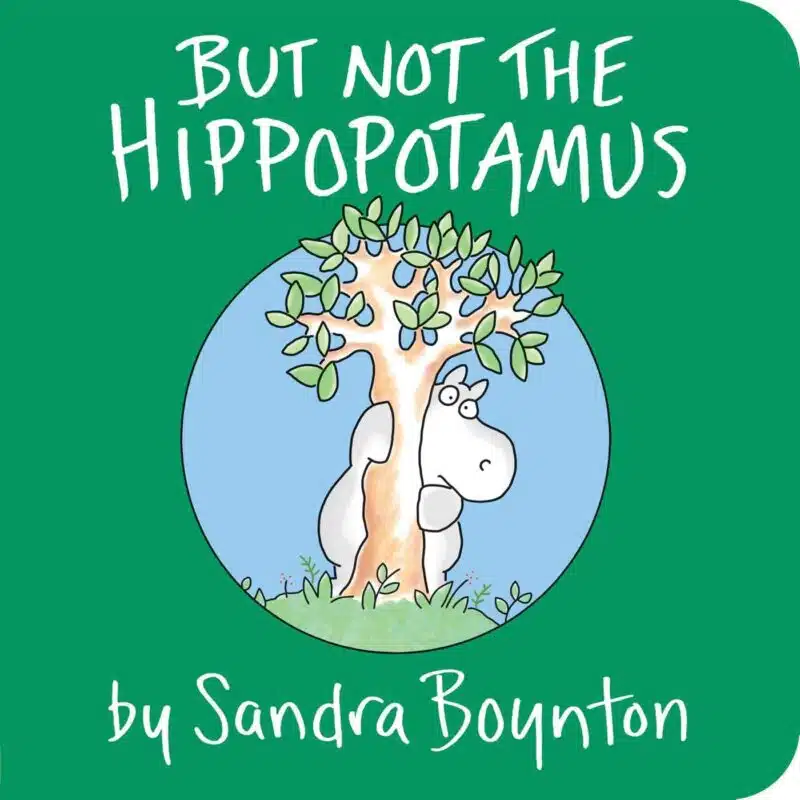
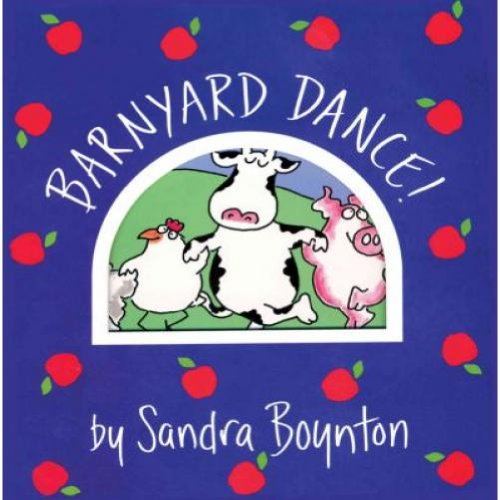
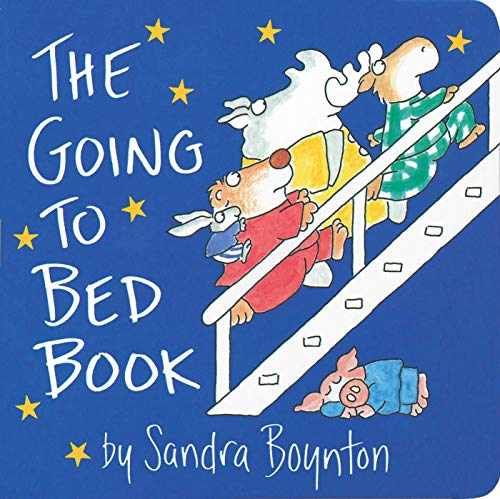
It's a much easier, simpler way to teach vocabulary than to go through... And I'll give you an example, and I love me a Sandra Boynton book. Don't get me wrong. She's the goat. She's amazing.
Sarah Mackenzie (13:40):
She is the goat. It's true.
Tabitha Paige (13:41):
She's so good. She has a lot of goats in her books too, and cows and pigs. And some of them look like those animals and some of them don't. But the function is different in a book like a Sandra Boynton book. Her books are teaching rhythm, rhyme, song. They're encouraging something totally different. I would never pick up a Sandra Boynton book and say, "I'm going to teach my child vocabulary with this book today." I would pick up that book and say, "Oh, this is going to be so fun. It's going to engage my child. We're going to make up a little tune to this book and we're going to increase our love for reading and we're going to increase our child's ability to hear rhythm and rhyme." And it's going to help create new synapses in the brain.
(14:27):
But for those vocabulary books, we really need to be focusing on, "How can we quickly and efficiently build a proper catalog of pictures to words so that they can make these connections." We can read a book together and I can point and say, "There's a dog." And then we can walk outside, see a dog walking and say, "Look, there's a dog." And that child's brain says, "I've seen that before. I see the tail, I see the nose, I see the eyes." And they're able to quickly make that connection versus if we're only looking at pictures of purple spotted dogs, we go outside and see a golden retriever and the child's having to work really hard to make those visual and auditory connections.
Sarah Mackenzie (15:12):
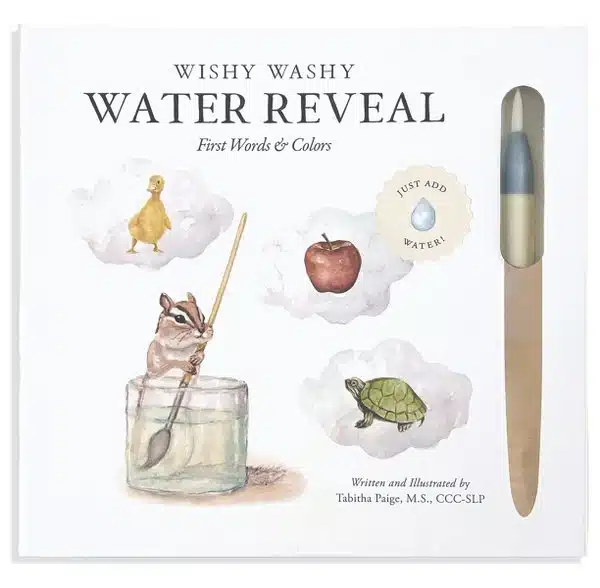
No, so good. I feel like the other thing your work does is it's a real invitation to play because we were just talking about Wishy Washy, which is your first words and colors book. I'll hold that one up again. And then you also have the water reveal one, which this is so fun. So let me open this up for people who are watching on YouTube. So there is a paintbrush in here and you can paint with water across the illustrations for the illustrations to appear, which is so crazy fun. My toddlers would have loved this. They're too big for it now. Loved it. I mean, this is such an idea. I keep looking at your books and being like, "Never will anyone ever wonder what to put in a baby shower basket ever again, just these." So Ginny Yurich was just on the show. She's from A Thousand Hours Outside, and she and I were talking a lot about how it's so often the simplest things that make the biggest impact, going outside, reading aloud, that was it.
(16:12):
I mean, you give your kids a pretty rich childhood by doing those things. And it's like we just kept circling back to this invitation to wonder and play and have space and time for thinking and being out of doors. And I feel like your books also are an invitation into that sense of play. Can you talk about that at all or do you have that in mind when you're working on your books?
Tabitha Paige (16:33):
Absolutely. And I actually listened to that podcast episode and I was high-fiving y'all through the screen because my list is very short for those first five to seven years you read to your child, you let them have plenty of play, time for pretend play, play outdoors, and then outside time. And those three things, if you give a child ample amount of that, they are going to thrive.
Sarah Mackenzie (17:07):
Yeah, that's true.
Tabitha Paige (17:07):
And that's because their little brains are growing so fast. So many connections are being made simply through being read to, moving their body, applying their language skills within a play setting. And then even just being outdoors, which y'all talked about in that podcast episode, movement highly impacts the ability to speak and the ability to comprehend. And so anytime we're getting a child to move as they're learning, that's such a big win. And so with Wishy Washy Water Reveal, I love when I can to create a multisensory experience. So they're hearing the book, they're seeing the pictures, they're physically moving their hand with the brush. Anytime we can use multiple senses when we're learning, we're using multiple different parts of the brain, creating different synapses, and we're growing that brain in a totally different way versus just doing an auditory experience, just doing a visual experience. We're giving them a very holistic approach to learning.
Sarah Mackenzie (18:20):
Yeah. To me, it feels like we're also giving them an opportunity to see books as something that they can interact with, like something for them that's theirs, which feels to me different than if it's just something that somebody's always reading to you, but it's like your own play thing, kind of.
Tabitha Paige (18:35):
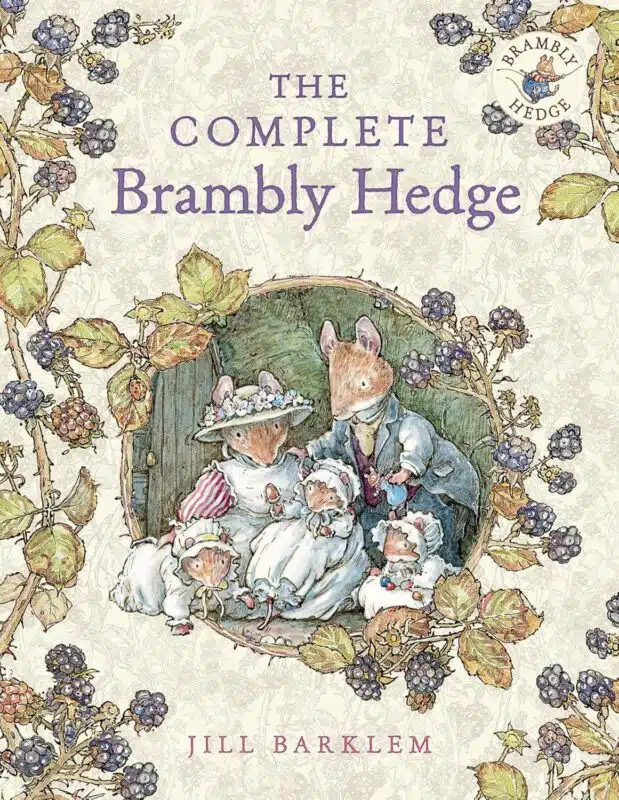
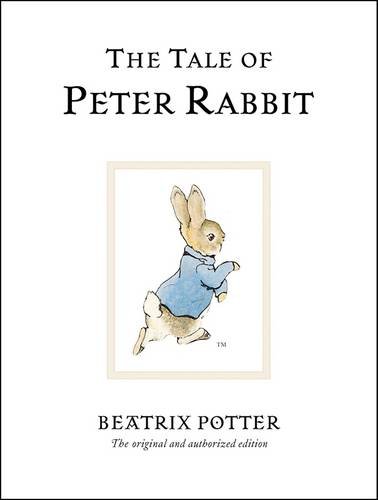
Absolutely. And I think also just as an artist, I feel like with my children's books and with the Water Reveal, I would love for my books to be an encouragement for a child to even simply notice artwork in a different way within any book that they're reading, any picture book or storybook or board book, whatever it is. I want a child to have a keen eye for beautiful things. We take a Brambly Hedge book, a Peter Rabbit book, and we see such rich visuals and that helps with the comprehension and the learning so much and it gives them so much to visually explore. And I think it's just so important to enrich their visual experiences and enrich their knowledge of children's books through visuals.
Sarah Mackenzie (19:33):
Yeah. One of the things that makes me think of, and we keep saying this and I'll say it one more time, is that there's a place for silly, goofy books, a good place for them, important place for them. And for illustrations that are simpler or less beautiful, I also think those have a place, but we're also trying to help them shape their affection for the things that are good and true and beautiful. And so yes, they can have that. My kids would have books in my house based on TV characters. They thought of those TV characters as their friends. They'd see them and be like, "Oh, I know that." You go to the library, they'd make a beeline. I would cringe, but also I knew what they were doing, which is they were like, "I know..." It's like seeing something familiar and I enjoy that.
(20:15):
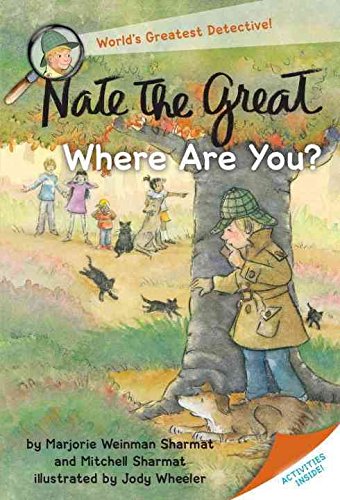
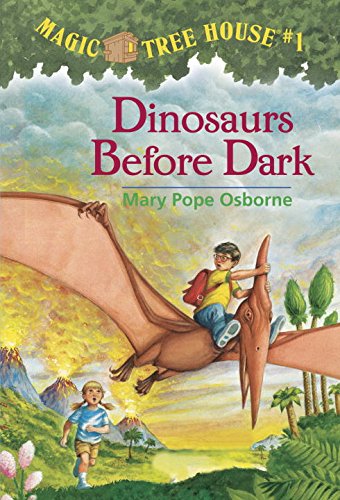
And I actually think there's no problem with reading books like that with your kids if you're also giving them really beautiful things because their taste is not formed overnight. It reminds me a lot of with my older kids, all of my kids went through a stage where when they were just learning to become fluent readers, they would read the Magic Treehouse books or the Flower Fairies books or the Encyclopedia Brown, Nate the Great, all these books that aren't rich language, not beautiful illustrations, but they needed it for practice and it was like they needed the quantity of it. They needed it to become their identity as a reader basically. Those are good books. There's also books that they would bring home from the library that I'm not going to name here because I'll get in trouble if I do. But books that you're like, "That book could get lost forever. I would be okay with that one never coming back to my house."
(21:07):
But I actually think it doesn't really matter if your kid brings home a book that you're like, "I mean, come on, this is garbage." Not like if it's against your family's values, that's obviously not what I'm talking about. I'm just talking about a book that's not beautiful and not elevating. But if you also have your shelves at home stocked with books that have beautiful illustrations and beautiful texts, then over time, I think what happened with all of my kids for sure, is that yeah, they read a lot of kind of dumb books and they got tired of them because they also had a taste for this really good food over here. And they just, over time, they would start to orient toward better, more beautiful art, better stories. It's not all at once.
(21:53):
But that's why I love the idea of, especially because a board book is... I don't know. I rarely checked out board books from the library because my kids, when they're getting them board books, they're usually chewing on them and I didn't really want them chewing on the same parts that everyone else's kids were chewing on because we were sick enough already all the time. But these board books are the kind that you put this in your home shelf, on your home library, and you're just filling your bookshelves with really beautiful art, letting your kids get right up close to it.
Tabitha Paige (22:21):
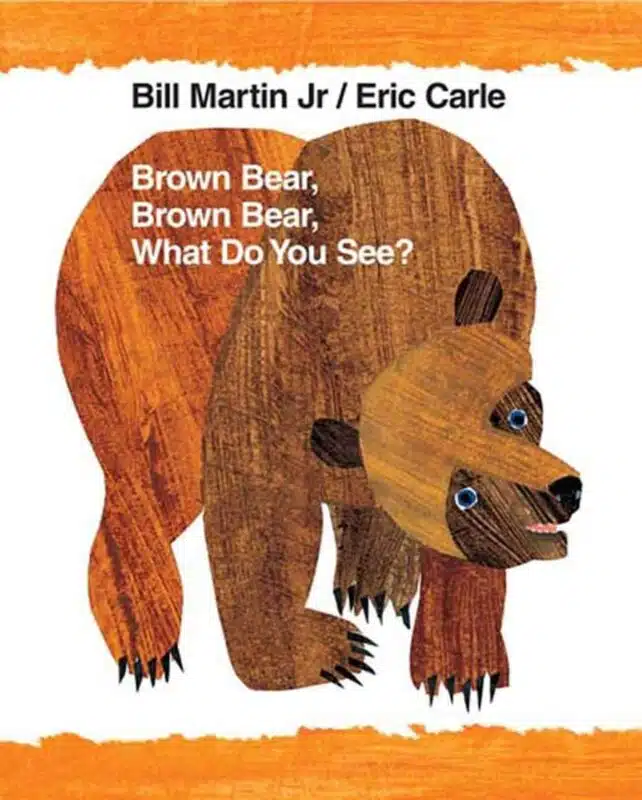
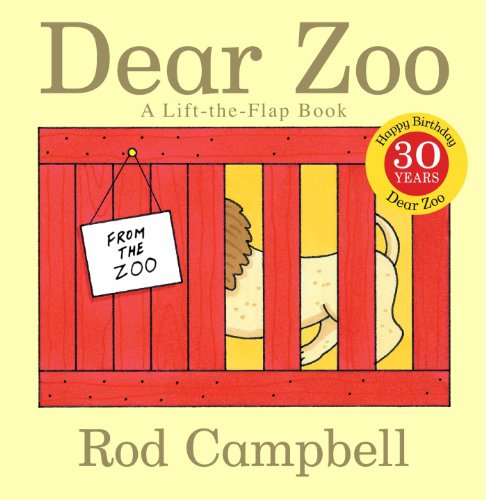
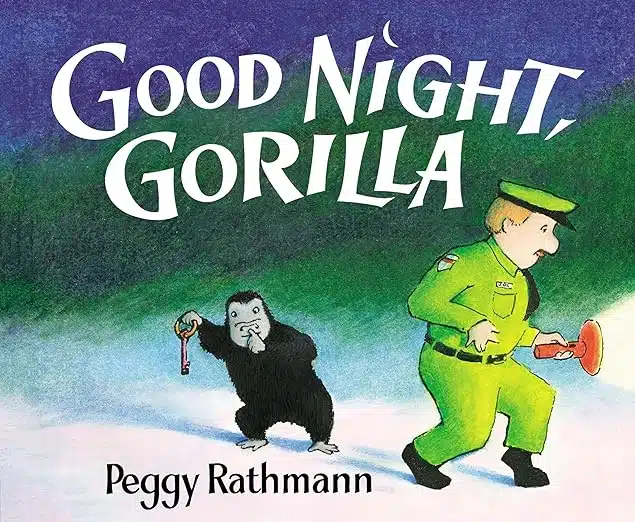
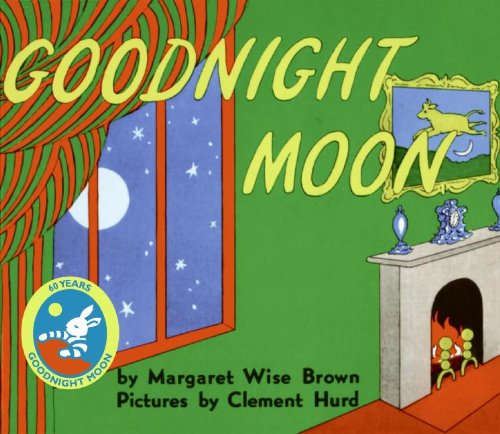
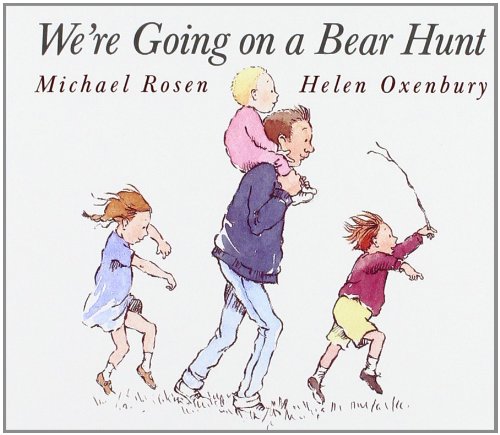
You want them to have a plethora of books that they want to read over and over again and that they're learning something from. And there's a reason that we see the same board books over and over again, Brown Bear, Brown Bear, Dear Zoo, Going on a Bear Hunt, Goodnight Moon, Goodnight Gorilla.
Sarah Mackenzie (22:41):
Love that one.
Tabitha Paige (22:41):
Because they're brilliant and they have extremely meaningful purposes within them.
Sarah Mackenzie (22:47):
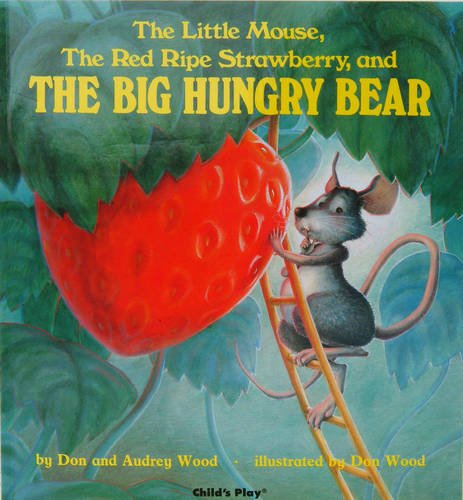
Yeah. The Little Mouse and the Red Ripe Strawberry.
Tabitha Paige (22:51):
Mm, that was [inaudible 00:22:52] good, yeah.
Sarah Mackenzie (22:52):
I'm such a huge proponent of rereading. I think rereading is oftentimes the best reading we do. We've talked about this before on the show. If anyone's listening or viewing wants more on that, there's an episode, we'll put it in the show notes too, on everything that happens when you are rereading. You get a whole nother reading experience that's even richer than the first time. It's kind of magical. Anyway, rereading is what we do with board books because our youngest ones want us to reread again and again, especially if they're really well done. And I've heard you say before that you design your books to grow with children. Tell me about that. What is that?
Tabitha Paige (23:24):
Well, back to the repetitiveness, that is so amazing for the brain. And as a speech therapist, think about this, think about this tool. Let's take Brown Bear, Brown Bear. We read Brown Bear, Brown Bear two times through. The third time we say, "Brown Bear, Brown Bear, what do you see? I see it." And you open the page and you pause and you leave it blank and see if they can fill it in, "Red bird." Or maybe they just say bird. And so the repetitive nature is really giving you an opportunity to grow their expressive language, their verbal language, as you continue to read these same things over and over again. We're going to go through the vocabulary, the same vocabulary. "Ooh, look, apple, banana." And then maybe the next time they're pointing to it, approximating those words. And so it's so important, especially in the board book years, to read these books every night and let them hear it.
(24:32):
They have to hear a word, hundreds of repetitions before it really becomes solidified in their repertoire, in their vocabulary. So reading that over and over again is simply solidifying those vocabulary words. Okay. So for the books growing with your child, this is something that when I started to sit down and write and illustrate children's books, I wanted to make sure you got your bang for your buck. And maybe that's just the thrifty person in me that wants to make sure I'm never wasting a dime, but I wanted to make sure that this book didn't just cover one year, six months, just a part of a development. Let's take, for example, I have some black and white Tummy Time books. They fold out into an accordion. You can set them up, you can lay with your baby, point to the pictures.
(25:24):
I wanted to make sure they had realistic animals because if we include realistic animals and in most black and white books, you get splotches and contrast. Not that that's wrong, those things are still helping to develop visual development, but after a few months, they've moved past that and the book is superfluous. And so what if we included realistic animals and realistic items that continue to grow with their vocabulary? So yes, they're using it for contrast work as their eyes develop. And then in those first few months to a year, they're able to work on, or even two years, work on vocabulary.
Sarah Mackenzie (26:08):
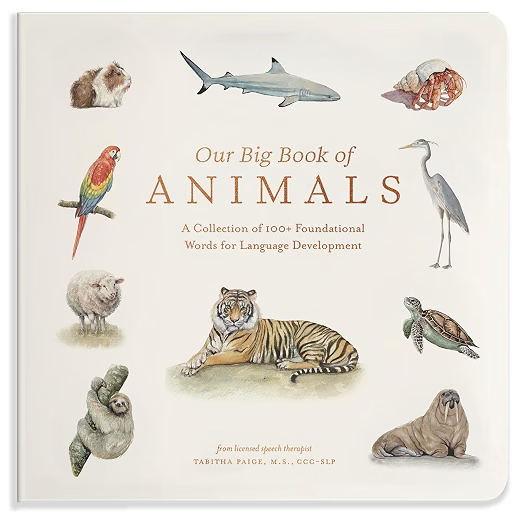
I even think, I'm going to hold up a page here. This is from Our Big Book of Animals. And I know lots of families who listen or watch this podcast do some kind of nature study, but really struggle with that in the winter when it's hard to get out and sketch a tree or whatever you're seeing outside. And so oftentimes what I would do instead when we couldn't really get outside easily is try to find books that then we could use just to sketch and maybe we might listen to music or an audiobook while we were doing that. And the illustrations in your books, I think, would be really ideal for this because they're realistic and they're simple enough not to look super... Not that I couldn't make them look like this, let me be clear. But I think I could look at it and think like, okay, this bunny, for example, we could get the shapes right and sort of copy what you're doing here drawing it.
(26:58):
I think one of the things that we think of with board books is we often just think they're for toddlers, but when it's illustrations like this, if you're doing any kind of nature study, and then this is a book that you could put on display at your house. Yeah.
Tabitha Paige (27:12):
Absolutely. And that again, is the nature of having realistic artwork. And then even in the back of those vocabulary books, I did a whole spread of parent guided activities to expand as your child grows and as their cognition grows. But you're right, I'm seeing so many families take my books and use them as art lessons.
Sarah Mackenzie (27:34):
Yeah. Yeah.
Tabitha Paige (27:35):
My water reveal book shocked me and my publisher because we were getting so much feedback that older children and even some adults were doing the water reveal and enjoying it so much because it felt like they were actually painting something.
Sarah Mackenzie (27:50):
Yeah, yeah.
Tabitha Paige (27:51):
It wasn't like, "Color in this fairy wing." It was an actual real item that you're painting.
Sarah Mackenzie (27:57):
Plus it's very soothing to paint with water.
Tabitha Paige (27:59):
Very soothing, right? And I think it's really enhancing older children's ability to notice detail and color and shape and form. And so I do really believe that also helps develop their own observation skills, maybe exploring how something is painted if they want to go into art. So definitely always looking for ways to create this extended learning experience and not just for this brief window.
Sarah Mackenzie (28:29):
One question I have, last question actually I have is because we have a lot of authors and illustrators who listen to this podcast or watch it, young and old, and I know they'd love to hear about your creative process. What does that look like? When you're making a book, do you have the story first? When you're making a book of words, do you have the theme? What do you do? Tell me all the things.
Tabitha Paige (28:52):
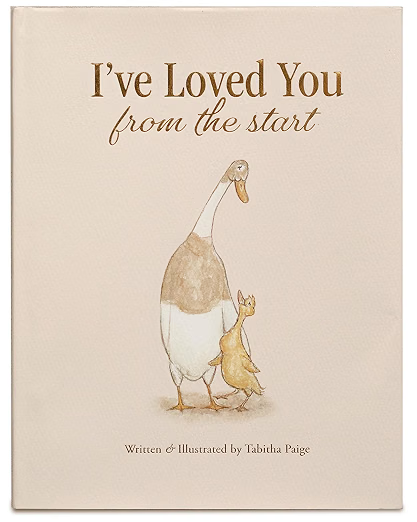
Well, it usually looks like this. My publisher says, "Hey, what are we going to create next?" And I go, "Well..." And I sit in the studio. I do a lot of praying. I do a lot of looking through books, children's books for inspiration. But ultimately it really comes down to just really settling on an idea, whether it's teaching an early learning skill or I have a new book that I just released. This is actually my son's story. It's called I Loved You From the Start. So I haven't shared much about my children, so I'm a mother of-
Sarah Mackenzie (29:33):
Oh yeah. Yeah.
Tabitha Paige (29:33):
I know. I kind of skipped over that part.
Sarah Mackenzie (29:35):
Sorry. I didn't even ask about your children. Yeah.
Tabitha Paige (29:37):
No.
Sarah Mackenzie (29:38):
Tell us.
Tabitha Paige (29:38):
I am a mother of four. I have three daughters, and then I have a son ranging from ages 18 months to 10 years old. And my son is seven, and he has a significant disability. He has a very rare genetic syndrome. He's blind and he's unable to walk or talk. He is the absolute joy of our lives and has taught us so, so much through just his presence and his calmness and his peace and really given me new eyes as a parent to really hone in on what is important in this life when we're teaching our children or when we're loving on our children. And this book, the inspiration for this really came from what Ducky has taught our family. We call him Ducky, his name's Declan. And that is that our children are so worthy as they are. They are beloved as they are because God created them as they are.
(30:41):
And no ability, no talent, no skill, no accomplishment changes our love as a parent. And that's a different message than teaching vocabulary books, but my heart really needed to share his story with every child because our culture is very driven on accomplishments. And even when I was a new parent, I found myself falling into that trap of, "Okay, are they doing this? Are they have this skill yet? Are they reading yet? Are they doing these things?" We put so much pressure and value and in a good, we're not meaning it in a negative way, but it's a nice reminder to come back to, "Okay, you my child are loved as you are. We will do all the things in this life and you will have gifts that God has gifted you, but you're already loved as you are." I take my job as an author and illustrator very seriously and I really try to listen to the Lord of what he wants to share and what he wants me to share. And it's looked different. It's been a journey of finding out what that really means.
Sarah Mackenzie (32:01):
So good. We are going to be putting so many of your books in the show notes. So listeners, you can go to readaloudrevival.com/288 and see Tabitha Paige's books. Where else can our listeners and viewers find you, Tabitha?
Tabitha Paige (32:15):
You can find the book that I just mentioned. The website is I'velovedyoubook.com. My website is tabithapaige.com. You can find me on Instagram, you can find me on my website.
Sarah Mackenzie (32:27):
Awesome. Oh, thank you so much for coming on the show. I love your books. I am going to be putting them in so many baby shower baskets and I know that our audience will love your books too. So thanks for coming and talking about your work.
Tabitha Paige (32:40):
Thank you so much for having me. Appreciate it.
Sarah Mackenzie (32:44):
Well, now let's go listen to the kids to hear what they're reading and loving lately.
Daniel (32:49):
Hi, my name is Daniel and I'm seven years old and I'm from Tulsa, Oklahoma. And the book I recommend is Mission Impossible because it's about dads and then those... Then they have [inaudible 00:33:12] stories.
Maggie (33:14):
Hi, my name is Maggie. I live in Utah and I'm nine years old. The book I'd recommend is Emma M. Lyon. I like it because it's different. It's like you're reading a journal and it's super funny.
Norah (33:29):
Hi, my name is Norah. I'm seven years old and I live in Utah. A book that I would highly recommend doing is the book Wonders. I like how at the beginning they start out with Tilly finding her favorite characters like Anne Shirley and Alice in Wonderland.
Silas (34:00):
Hi, my name is Silas and I am five years old and I live in Orlando, Florida. And a book I recommend is the Magic Trio series because it makes me feel like I'm in a magical place or something like that. Stop.
Dustin (34:25):
My name is Dustin. I'm 10 years old. I live in Tulsa, Oklahoma. The book I recommend is Green Amber. It's really interesting and you never know what's going to happen next. And there's also a cool video game too.
Sarah Mackenzie (34:41):
Thank you so very much, kids. Hey, I hope you loved this episode with Tabitha Paige as much as I did. Show notes are at readaloudrevival.com/288, and that's where you can find lots of Tabitha's books. And that's her website, tabithapaige, that's P-A-I-G-E.com. I think that's it for today, but you know what to do. I'll be back in two weeks. Go make meaningful and lasting connections with your kids, your books.