Sarah Mackenzie (00:00):
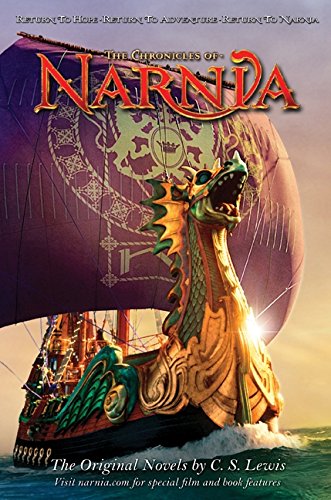
What do you see in your mind’s eye when I say a wardrobe or a lamp post, or maybe a fawn and Lucy under an umbrella? How about tea with Mr. and Mrs. Beaver or a white witch in a sleigh? I would bet that a lot of us are seeing very similar images. We are actually seeing the images of the Chronicles of Narnia, illustrations that formed part of who we are because they carry us into the world of Narnia that we loved so much. Those illustrations were created by a woman named Pauline Baynes, and today I’ve got a treat for you.
(00:58):
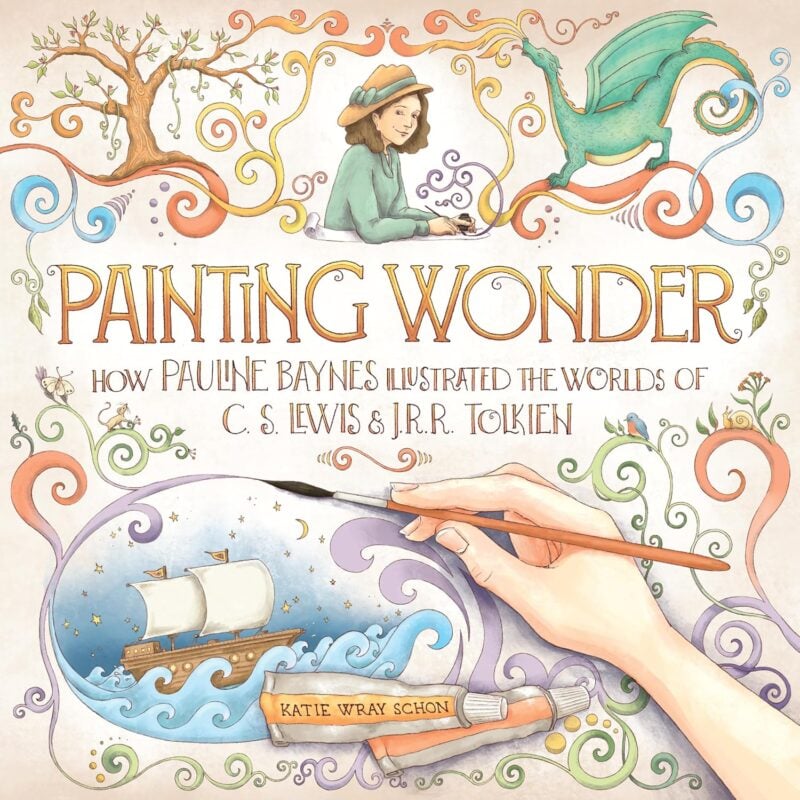
Welcome to the Read-Aloud Revival. I’m Sarah McKenzie. This is the show that helps you make meaningful and lasting connections with your kids through books. And today I have a treat for you. I have the author and illustrator of the next book that you’ve got to have in your own home library and gracing your bookshelves. It is called Painting Wonder: How Pauline Baynes Illustrated the Worlds of C.S. Lewis and J.R.R Tolkien. Yes, those images that all of us think of in our heads, the white witch on the sleigh, Mr. Tumnus and Lucy under the umbrella, Mr .and Mrs. Beaver having tea with four children in Narnia. Those were all illustrated by a woman that most of us don’t know much about, but Katie Wray Schon is here to fix that. She has created a beautiful, truly stunning picture book biography about the woman behind the illustrations of Narnia. She’s a mother of three, a Texan, and I think you’re going to love her. Here’s my conversation with Katie Wray Schon.
(02:03):
Okay. Well, Katie, pretty much everyone who’s either watching this or listening to this has seen the illustrations of Pauline Baynes because she did all of the original illustrations for the Chronicles of Narnia. I think for so many of us, those images of Lucy and Mr. Tumnus under the umbrella or the lamp post or the white witch on her sleigh, they’re formative, they’re images we can all call to mind right away, but I never called to mind even once like, “Oh, who illustrated that?” And I think about illustrators kind of a lot. So then when your project came across my desk and I was like, “Oh yeah, wait, who did make these illustrations?” It was so fun for me to be invited into the mystery of this woman. So what was it that caused you to get interested about Pauline Baynes?
Katie Wray Schon (02:55):
Yeah, yeah. And I love talking about this because really it was failure in a couple ways. One was that I was trying to build up my portfolio, my illustration portfolio, because same here, I grew up with those images, I could close my eyes and picture them, and I loved them, but I had just somehow never looked into it. Anyway, so I decided, “Okay, I’m going to build up my portfolio and I’ll add some chapter book illustrations as part of it. The Narnia books are my favorite books, so I’ll use them. I’ll draw some pictures of Narnia.” And I sat there trying to draw, and I couldn’t do it because I couldn’t get the original images out of my head. It was like I had this mental reference and I kept trying to sort of break away from it.
(03:45):
And they’re there and they’re so simple, and so I’d look at them and be like, “What? Who is this? Who did this?” And so I started just digging into her story a little bit, and it’s such a beautiful story, and she just seemed like such a wonderful person. And I had actually always said, “I will never do a picture book biography of another artist because it’s just too hard.”
Sarah Mackenzie (04:11):
It’s like the hardest thing possible.
(04:12):
It’s like the hardest thing possible.
Katie Wray Schon (04:15):
Yeah. But I just-
Sarah Mackenzie (04:16):
So let’s start there. Then you ended up starting there.
Katie Wray Schon (04:18):
Yeah. Exactly, exactly. I just loved her story so much and I was so struck by the fact that I had never known her name, that nobody really knows her name. She’s kind of this unknown, and yet her work is everywhere, it’s in so many people’s heads.
Sarah Mackenzie (04:34):
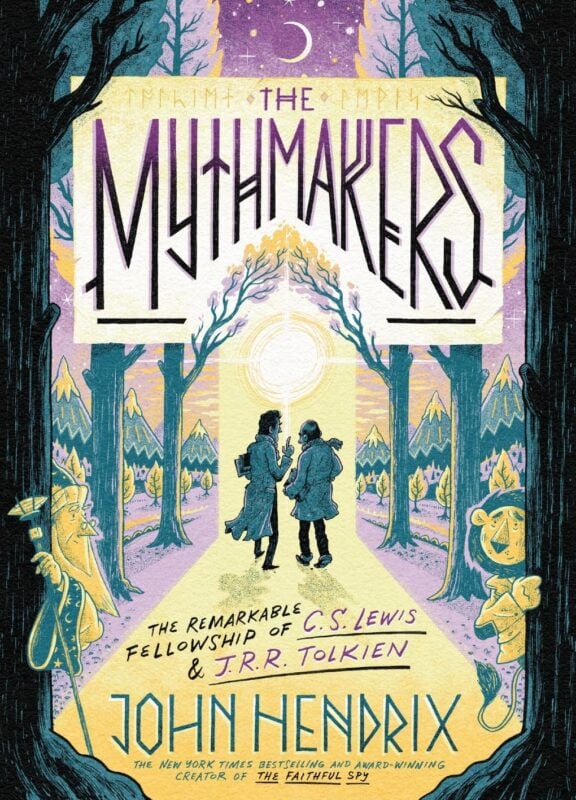
It was so fun because when I sent an early copy, digital copy, of Painting Wonder to John Hendrix, who of course is the author and illustrator behind The Mythmakers, his reaction was, let me see if I can remember exactly what he wrote, “Pauline Baynes is way overdue for more people to know about her. I’m so excited about this book.”
Katie Wray Schon (04:54):
It’s so true.
Sarah Mackenzie (04:55):
Yeah.
Katie Wray Schon (04:55):
Yeah, yeah. And that’s exactly true. And I think the people who do know of her all have that feeling, and so I’m excited too. I hope this puts her name in a few more people’s heads.
Sarah Mackenzie (05:07):
Yeah, yeah. I think for me, at least as soon as I get to know an illustrator through a picture book biography, or even right now, getting to know you as an illustrator, seeing them illustrations elsewhere make me feel kind of like I do if I see… Almost the same, it brings up the same feelings in me as if I see a vase that belonged to my grandmother or something. It’s like, “Oh, that’s by my friend. That’s by somebody I love. That’s by somebody I know.” And it just adds a different level of connection to the story for me as a reader.
Katie Wray Schon (05:44):
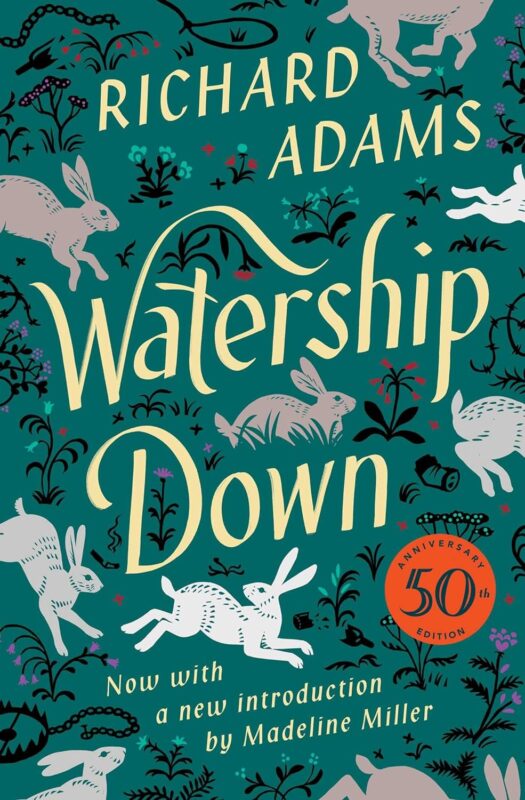
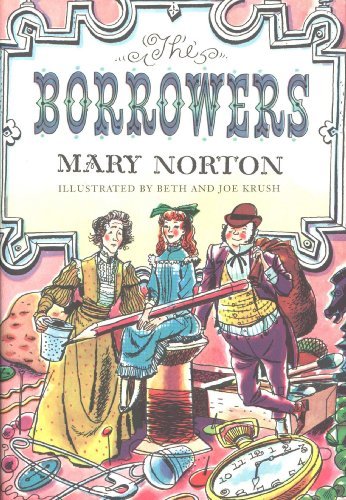
Yeah. And Pauline did a lot of illustrating, and not all of it is common anymore, still in print, but there’s a couple of places in The Borrowers series, not the first book, but some of the later books, she did those illustrations. She did probably the most iconic cover of Watership Down, and so she’s kind of sprinkled around, and it’s been really fun. The more I got to know her and her work, the more I now see it randomly at the bookstore like, “Oh, I know that one.”
Sarah Mackenzie (06:13):
Yeah, yeah.
Katie Wray Schon (06:14):
I know who did that.
Sarah Mackenzie (06:15):
Yeah, that’s so great. What were your own favorite books growing up, or your own favorite illustrators? Did you have favorite illustrators growing up?
Katie Wray Schon (06:24):
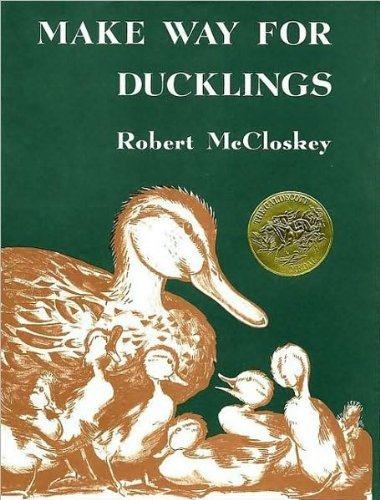
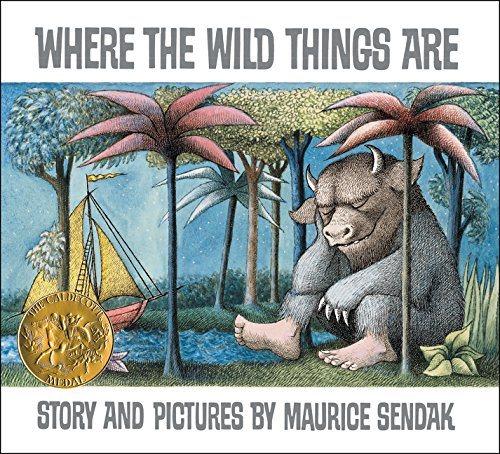
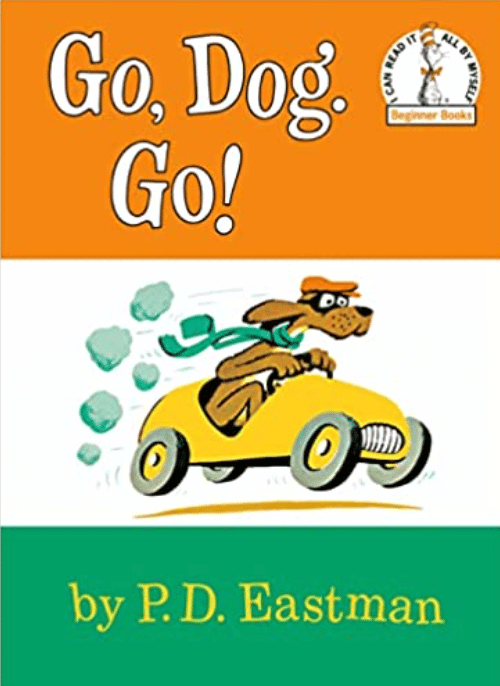
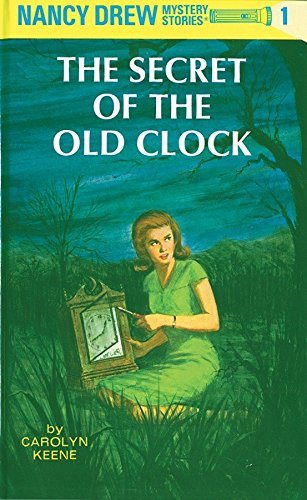
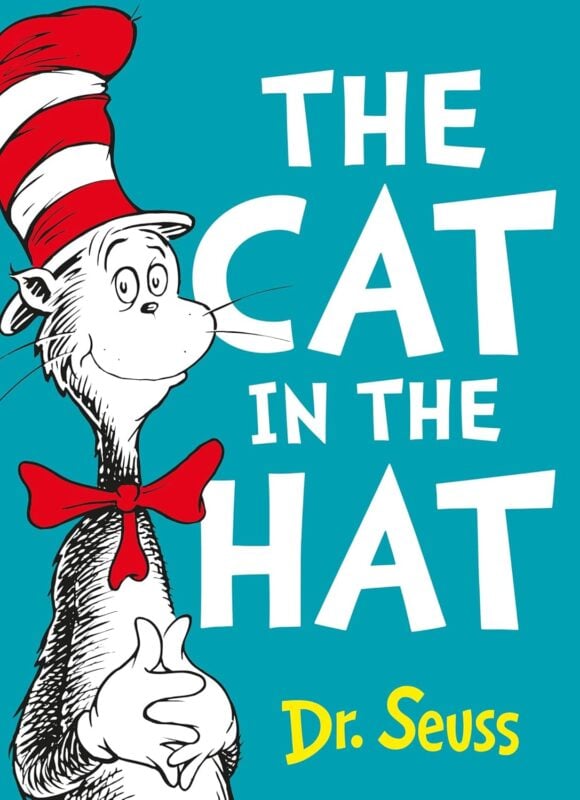
We had a lot of the classics around, and so I think I grew up sort of with Robert McCloskey and Maurice Sendak, Where the Wild Things Are. Like so many other people, there’s just something about those illustrations that sticks in your head and grabs you, and P.D. Eastman, Dr. Seuss, all that kind of classic stuff. And then there were a couple of random here and there. I don’t even know who the illustrator was. Here’s another one to look into, but I had this fairy tale book that had these very sort of ’60s or ’70s style illustrations, but gorgeous, and it was very decorative, and they were just so distinctive. And so you kind of have these images in your head, but I never thought that hard about the illustrations sort of who made them, they come in, who made them. And then moving up to chapter books and definitely the Narnia books, I read a lot of Nancy Drew and things like that.
Sarah Mackenzie (07:24):
I mean, I think over half of our listeners or viewers probably just went like, “Oh, yes, Nancy Drew.”
Katie Wray Schon (07:28):
Oh, yeah.
Sarah Mackenzie (07:29):
We all did too, we all did too. We just devoured all of those. So this is your first book, I should say. What surprised you about making it?
Katie Wray Schon (07:41):
So, in particular, picture book biographies have some special challenges to them, and I think finding my way around, because other drafts that I had worked on, other stories were not biographies. And so it was interesting to feel my way through that process and kind of get to the writing in a way that felt right for me, because you get the information, but then you have to find your voice and put your voice in it. And then I think honestly, the biggest surprise for me, because I’ve worked on other stories and I’ve had drafts, and I’ve had things that I’ve tried out that haven’t panned out. And so the process of writing and creating the book and doing the drawings, in some ways I’d done my time sort of doing that homework.
(08:35):
But what was really amazing actually about this project was getting to work with you and with the rest of the team at Waxwing, because you spend so much time working on your own, doing this stuff with your head down writing or your head down illustrating. And then to be able to work with a team who really cares about books in general and really cared about this book, and it’s just the most rewarding, wonderful thing. And I guess I didn’t know what to expect. It’s a little intimidating when you first get into it and it’s your first book like, “Am I going to be good enough? Is this going to be okay?” And it was just this beautiful team process. So that was a very, very pleasant surprise.
Sarah Mackenzie (09:17):
I love that so much. I mean, it is true. I remember the first couple of books that we made at Waxwing, I knew the writing process, I’d worked with editors before, but I also didn’t know like, so how do we do this with an illustrator to get to a final book? And so the whole process is something of a mystery until you start walking it. And you’re right, we do have the best team at Waxwing. They’re the most creative, wonderful, collaborative people. I love that about making picture books actually, is that it’s like we’re making this soup, but without everybody’s different ingredients, it all comes together in this very complex, unique flavor that we just couldn’t have done without. Oh, I just love it so much. It’s like the ultimate teamwork.
Katie Wray Schon (10:04):
I know. It really is, it really is. And I love that. I really, really love that. So it makes me-
Sarah Mackenzie (10:07):
It’s like a group project where everybody pulls their weight and brings their unique genius into play.
Katie Wray Schon (10:13):
Right. And everybody’s so excited about books and picture books. They’re just these beautiful, wonderful things. And so to be able to work with a bunch of other people who feel that way, yes, it’s really, really amazing.
Sarah Mackenzie (10:27):
Yeah, absolutely. Was any part of the process more challenging than you expected it to be?
Katie Wray Schon (10:33):
I would say once I had the writing where I wanted it to be, which took a lot of revisions and it took a lot of reframing, there’s so many different ways to approach somebody’s life if you’re trying to boil it down to 600 words. So that took a lot of over and over and over again until I landed in the right spot. And then from there, I think probably the thing that surprised me most from a challenge perspective was how much I felt like I had to research before I drew anything. And some of it was very quick, and some of it was a little more in depth. But when you’re creating something that’s historic and any object you put in there, any flower, any boat, any of these things, you can’t just make it up anymore, you have to know that it’s appropriate for the time period, and hopefully I got it all right.
(11:28):
But it just took a little more preparation in a different way than other image making that I’d done. And there is not a lot of documentation of Pauline’s life. As famous people go, it’s relatively unknown. There were not a lot of pictures of her, especially as a young person. And so it was this mix of really trying to reach out and find as much as I could, and also just knowing that I had to look at, “Okay, what was the fashion in the time in the place where she was,” to try to come up with the outfits as opposed to having an actual photo of her that I could just draw from.
Sarah Mackenzie (12:06):
There’s so many different elements here because we are working on another historical fiction picture book right now at Waxwing where just this last week I was reviewing illustrations and our art director had noticed that, |Wait a second, I think that glue pot,” or maybe it was the author that noticed it, someone on the team was like, “Wait a second, I think that glue pot, she wouldn’t have a glue bottle that looked like that at that time. She would’ve had a pot of glue instead of a bottle of glue.” That kind of thing that is why you need so many different eyes on it.
(12:34):
But actually, I think you had two more levels of complexity that I just want to make sure you give yourself full credit for. One, you already mentioned, which is that doing a picture book biography about an illustrator actually feels to me like one of the hardest picture books you can do because as the illustrator, I mean, I as a writer feel like there’s already the difficulty in, like you said, paring down someone’s life into 600 words, and you can only tell one story, so everybody has all these threads. You can only pull one thread in a picture book.
Katie Wray Schon (13:07):
Yeah, exactly.
Sarah Mackenzie (13:08):
So it’s like figuring out which thread that’s going to be, and then where you’re going to pull it is a complicated thing. But then from the illustration perspective, you want to give the sense of Pauline’s illustrations without duplicating her style or illustrations. And I cannot… I mean, I keep watching it being done. You’re all amazing, but that’s got to be so complicated. Talk to me about that process.
Katie Wray Schon (13:33):
Yeah, it’s one of those things that you end up part sort of coming up with a plan, and then part just kind of letting things move as they move. And I feel like I developed a certain voice in the book in some of these swirls and things like that to sort of show the fantastical elements coming into the real life. And that ended up really helping me find a way to show what was in her work or to try to bring to life some of the excitement of her work without it being a copy of what she made.
(14:09):
But it took some revisions, particularly in some spots where we’re really trying to be like, “This is the moment where she drew the Narnia pictures. And, okay, let’s try to capture the excitement and the flavor of it.” But really we want people to go get the book and look at her illustrations, not have them here. And you guys were very helpful too. I mean, there were times when it was a, “All right, let’s try to sort this out together. Here’s the challenge, this work or this work, and how far can we go, and what’s the right flavor for it?” So like I said, I did not intend to do [inaudible 00:14:46] illustration, but nobody else was doing it, and so you just have to grab the challenge that’s handed to you.
Sarah Mackenzie (14:54):
Yeah. Well, one of the things that I think you did so beautifully, and I know we were really committed to as a team, was making the book, Painting Wonder, an invitation to go look at Pauline’s illustrations, to go read the Narnia books, like an invitation, not a substitution for. And I think that is something that you did so beautifully so that kids who see Painting Wonder will go like, “Wait, show me Narnia” if they haven’t already experienced Narnia. Or, “Take me back to Narnia” for those of us who’ve already visited many times but can’t get enough.
Katie Wray Schon (15:28):
I have some wonderful critique partners that I write with, and one of them saw an early draft, and after reading it, she said, “Well, I’ve never read the Narnia books, but now I kind of want to.” I’m like, “Okay, good [inaudible 00:15:41].”
Sarah Mackenzie (15:40):
You’re like, “My work here is done.” Do you have a favorite spread in the book?
Katie Wray Schon (15:46):
It’s like choosing a favorite child, which we might be able to do depending on the day. Not on camera though. Yeah, I think there’s a lot of different things that I love. I love the ones that are bringing books to life because I love books. And that’s another thing that I was so happy to be able to have in this book because it was a part of her life, was that she loved books and how much they meant to her. And so some of the explosions of storybooks I really love, but I think one of my favorite stories with this, and I feel like I’m already feeding this horse dead, but there was one spread in there, the bombs dropping on England and everybody dropping what they were doing to help spread. I had that idea. I drew it, I loved it. And I had at least one, probably a couple people who saw early versions of the book who said, “No, I think that’s too kind of complex for kids.” Or two, “I don’t think they’ll understand what’s happening. I think you should take that one out.”
(16:56):
And I didn’t, and I’m glad, and I had people who are very positive about it too, but that one always stands out to me as like, “You do need to get feedback, and it’s important, and it’s important to listen to your feedback, but it’s also important to stick to your guns and to kind of go with your gut and your experience and things like that.” And so I always think about that one. That one’s a great reference for me. And even when I’m giving people feedback, I’ll say, “This is coming from me, this is my opinion, but it may not be right. And if this spread means a lot to you, then keep it in there.”
Sarah Mackenzie (17:30):
Well, that’s one of the spreads I would mention as one of my favorites. And I think it’s got… I mean, there’s so many other books too where we read about Knit Your Bit or Making Your Victory Garden or all of these different ways that I think kids do know that that’s what happened during World War II is people dropped everything they were doing to help.
Katie Wray Schon (17:49):
Right. Yeah.
Sarah Mackenzie (17:51):
Such a beautiful, the way you have it laid out and the way the typography is laid out is just beautiful. The other spread that is my favorite is the one where Pauline is making maps for, I was going to say the Army. Was it the Army or-
Katie Wray Schon (18:07):
It was the Navy. No, it was the Navy.
Sarah Mackenzie (18:07):
The navy. Okay.
Katie Wray Schon (18:09):
Technically the Admiralty, right?
Sarah Mackenzie (18:12):
Yes. Right, that makes more sense. Yes, I love that one in particular. I just think you did such an amazing job of every time you turn the page, it’s like we’re looking from a different viewpoint. There’s so many times in picture books where we flip through the pages and we’re seeing everything from the same distance, kind of like we’re sitting at a window looking in the window of a house or something, and everything’s happening at the same depth. But what you do is you give us pictures from over and close up, and really close up, and then further back, and then way far back. It feels very immersive because of that, because of like you invite us into the scene by getting us into all these different places coming into each illustration.
Katie Wray Schon (19:00):
Well, thank you. Thank you for appreciating all of that. It’s one of those things that when I’m creating a new story, you start with these little tiny thumbnail drawings, and even then, you have to start thinking about, “Where are we looking from? How do we sort of pass time and move through different stages of this book?” And this book covers a lot of a lot of time in terms of we’re going from when she’s a little girl to 15, 20, 30 years later. And so yeah, thank you. I hope that the sense of immersion comes from those moments, so that’s always good to hear.
Sarah Mackenzie (19:42):
Yeah. So you talked about how the writing process and the illustrating process were so different. Did one of those come easier to you than the other, do you think?
Katie Wray Schon (19:49):
I think they came so differently. The writing process, again, was this, I had early drafts of after I had read the story, and then you try to write down, almost like a bulleted list, what happened and what you want to talk about. And then there are probably 25 different ways that I tried to bring it to life. And so it’s first this editing process of all of the information that you have and pairing it down to what you think is the right through line. And then once you have the information, you still need to carry it somehow. And that’s voice and style and the words that you use. And it actually, with this book, and I now use this as a revision technique, I had written it over and over again, and I was kind of stuck on this one draft that just felt a little too much like I was telling everything that happened point by point.
(20:48):
And I finally sat down and I thought, “My favorite writing is very lyrical and not quite poetry, but you have these evocative words and phrasing, and it moves almost like a poem.” And I realized, “Wait a second, that’s how I like to write and I have not written it this way.” And so I turned that draft over on the table and I had all of the information in my head, because I’ve written it over so many times, and then I just wrote it fresh without even looking at the old draft. And then I went back and there were a couple of things that I pulled from there and some structural things that needed to change. And so that was a major breakthrough for this one. And it was just one of these dumb moments where here I am and this is the kind of writer I say I am, and yet I’ve written this in a completely different way.
Sarah Mackenzie (21:38):
Yeah. And I also wonder if you would’ve been able to get to that more lyrical, poetic draft if you had just started there. Probably not, because you needed all of the thinking and collecting of data and research and everything that you did for the original drafts. So it just reminds me that nothing that we do when we’re writing is a waste, even if we don’t use any of it. Like you say, you’re turning the draft over.
Katie Wray Schon (22:01):
Yeah, absolutely. And I think that that crushing the fear of starting over is really important in this world and in this process, both with the art and with writing. We really do feel once we have spent a certain amount of time on a piece of artwork or written manuscript, you have this tension of like, “Oh, no, no, no, I can’t start over. It was hard to do and there it is,” and it feels very scary to revise. And so over the years, I think of making more stories, that is one thing that I can say I’ve gotten much better at is just not being afraid to toss it out and start fresh because I still have all of the skill that I put into the first one isn’t gone, it didn’t leave me.
Sarah Mackenzie (22:50):
That’s right.
Katie Wray Schon (22:52):
That’s how we feel. It’s a very funny thing. When I think-
Sarah Mackenzie (22:56):
It’s a good thing that we are able to save drafts in so many forms nowadays.
Katie Wray Schon (23:00):
Yes, exactly. I know.
Sarah Mackenzie (23:00):
So I never delete anything. It’s all there in some form, so I kind of trick my brain into being like, “I know that we won’t come back to this one, but let’s just try something different,” even if I’ll never go back to it.
Katie Wray Schon (23:13):
Exactly, exactly.
Sarah Mackenzie (23:14):
Yeah. Talk to me about the research. Where did you go? Like you said, there was very little documented about Pauline.
Katie Wray Schon (23:22):
Yes. So I started with, there’s a wonderful tribute website that some of her friends made, and actually obituaries, she passed away in 2008, and so all of the obituaries were online, and so I was able to sort of get and read through those. There is mention of her in some of the longer works about C.S. Lewis or Tolkien, she gets kind of a page here or there. And so digging through those, and there’s an old magazine, it was a publication put out by Penguin in the… Gosh, I’m trying to remember the year now, I want to say ’60s or ’70s. And they had an interview with her. And so it was really bits and pieces here and there. And then after a while, I got brave enough to send an early draft to some of her friends and acquaintances, and I was put in touch with her son-in-law.
(24:22):
And so that was very helpful and very confirming because I felt like, “Okay,” again, there was not a ton to pull from, and you have to bring this story to life and talk about her as a child, and I wasn’t there. And so that was really wonderful because they were very kind and supportive and excited, and gave me that feedback of like, “Yes, this feels right.” And then there were some things like, “Oh no, it was this and not that, or this and not that.” Here we are. And honestly, part of rewriting the book that one time was recognizing, “Okay, I don’t have every detail. I can’t write a manuscript that focuses in on very specific tiny details of what was happening at that moment.” I have to use that constraint of not having a line-by-line story of her life to kind of capture the feel of it.
Sarah Mackenzie (25:28):
It also, I can imagine it feeling like almost, I mean, searching for a needle in haystack. I was trying to find a better metaphor, because that’s so cliche, but actually you kind of do, even as you’re gathering, I know this is how I felt when I was writing about Barbara Cooney, I was gathering as much as I could find, and I just had no idea what was going to be useful or not until I was just like, “It doesn’t matter. Right now, I’m just gathering it no matter what.”
Katie Wray Schon (25:51):
Right, you just try to just take it all in. And, also, I can’t believe I didn’t mention this, trying to see and absorb and hunt down on eBay or wherever I could find it, as much of her work as I could. And then one of my favorite moments actually in sort of research and part of this project was I went to at Williams College in Massachusetts at the Chapin Library, they have a special collections library, and they were given all of her work, her sketches and things like that, except the Narnia stuff I think is with the Narnia estate, but the rest of it, everything else she gifted to them because there was a librarian there who was a big collector of hers and very, very knowledgeable about her work.
(26:41):
And so going there and sitting down with the actual pieces of paper that she drew on was incredible. And it was such a reminder of just how talented she was. And you see it of course in her books and in her drawings, but reproduction, especially in chapter books especially was not as wonderful as we would want it to be sometimes. And so looking at her, I mean, she just had so much detail, these beautiful little drawings. So that was really wonderful. That really gave me this boost to keep going with this because it’s a long process and you question sometimes, “Is this the right thing? Is this even valuable? Does the world need this?” And then sitting down with that work and saying, “Yes, the world needs this.”
Sarah Mackenzie (27:31):
Yes. Was there anything about her life in particular that you found really inspiring?
Katie Wray Schon (27:36):
The love of books and how that, when she was a child and she had this very difficult moment where everything was taken away and she was on her own, and she said, and her friends have said what really got her through that time was reading, and she found stories. And she loved them, and she could relate to them, and enter this other world. And I love that, and I find that so relatable. I mean, that’s what reading means to me. I love reading, I love books, and I’ve always loved books and storybooks. And so I think that was probably the first thing that gave me this feeling of connection with her, that, okay, I get that and to want to talk about that.
(28:18):
And then she also, I think, was just a very humble person. She was never out there going after accolades. It sounds like she always sort of thought of herself as not that important in the grand scheme. Not in a bad way. I think she just loved doing the work and just worked until the day she died. She had so many projects that she was in the midst of, and it was just the joy of making art, so also that felt very relatable to me too.
Sarah Mackenzie (28:51):
Yeah, like she’s a kindred spirit.
Katie Wray Schon (28:53):
Yeah.
Sarah Mackenzie (28:54):
What would you ask her if you could sit down to dinner with her?
Katie Wray Schon (28:59):
I would love to hear about what she was working on towards the end. She had a lot of projects. She actually illustrated some Bible verses as picture books and illustrated The Creed, and she had this deep sense of mythology and this love for the stories, even in religion, and in her work when I was there at Williams College, it looked like she was starting to sort of map out the Book of Tobias or the Book of Tobit, it’s the Book of Tobit, Old Testament story. And I’d just be so interested to know like, “What were you still thinking about doing?” I mean, she worked and worked and worked. I know she had things in her mind, and I would love to hear what things were going through her head and what she’s still working on. Who knows, maybe she’s up there working on things right now.
Sarah Mackenzie (29:56):
Yeah, that’s right. I love it. Well, I’d love to point out that you are a busy mother of three, because so many of our viewers and listeners are moms who are all in on their kids and want to be all in on their kids, and also feel this tug toward telling stories and making art, and either drawing or writing. And I’m wondering if you could talk to those mommas for a minute about anything that sticks out to you that’s been helpful to you as you’ve navigated that same tension, I guess it’s fair to call it a tension.
Katie Wray Schon (30:32):
Yeah, I think it’s fair, I think it’s fair. I think that we are all creative and I think that it’s a gift and God made us in His image and He is creative. And so we all are creative in some way, and it comes out in a lot of different ways. And I think sometimes when we have so many other things going on and so much pulling at us, it’s hard to give that validation in ourselves or with other people, but it is valid. That’s what I want to tell them. You are a creative person and these things that you are thinking about or feel drawn to do are valuable first.
(31:11):
And second, I think just do them when you can and know that it will enrich your family. And even it’s so hard to take the time when there’s so much that you should or could be doing, but it’s so valuable and it really gives to everybody not only to have you in a place where you feel maybe more fulfilled or like you’re accomplishing something that you feel passionate about, but also kids are extremely creative and they understand that. And I have just loved being able to share with my kids this process, and they’re so excited, and they saw me struggle. They saw me get rejected, or they saw me try and fail, and they saw me keep going, and now be in this wonderful place where this book is going to come out to the world, and they’re just thrilled. So it’s a gift to them too, and it’s one that I’m very happy to give.
Sarah Mackenzie (32:12):
Speaking of it being a gift to them, something I think we sometimes forget happens when we are making art, whether that’s writing or drawing or some other form of creativity, there’s so many different forms, is that what our kids see in adulthood so often when they’re watching adults is all the adulting that we have to do, all the, I want to say drudgery or just the tasks that have to be done to make things work. And that doesn’t give them a ton to look forward to, but if they can see their mom lighting up as she’s drawing pictures or writing stories, it gives them this whole idea that like, “This part of you, you get to hold onto this and carry it with you into adulthood, you get to have this forever.” And that feels to me like a really beautiful vision to give to our kids. That’s something to look forward to.
Katie Wray Schon (33:00):
Yeah, I love that. That was very well put. And, yes, and they really do embrace it, they really do absorb it. And at the same time, I think it’s important to remember that, yes, do the creative thing that you feel drawn to do, but do it with a sense of exploration and not with a sense of, “If I don’t accomplish this thing, I’m not valuable,” because that’s not true. As we were talking about before, all of the steps along the way, all of these little baby steps that maybe you can fit in when your kids are very young, they are meaningful, and they are taking you somewhere. And it does take time. It takes time no matter who you are, but I think especially when you’re balancing your own creative impulses with all the things you want to give your children, the process can stretch out, but there’s a lot of value in that, and there’s so much value in the inspiration that we get from our kids too. And so to all those moms out there, you are in a valuable place, and you take your creativity seriously, and also take your time.
Sarah Mackenzie (34:09):
Yes, I love it. Oh, I love it. It’s like we get meaning from it, and it’s a beautiful way to enrich our lives, but we don’t get our worth from it, so that’s an important distinction I hear you saying.
Katie Wray Schon (34:19):
Yeah, because we can put pressure on ourselves too. We like to-
Sarah Mackenzie (34:22):
Oh, we’re really good at it. Some of us are extra good at it.
Katie Wray Schon (34:30):
[inaudible 00:34:26] and that’s important. And again, like I said, being able to get this to the point where I get to work with an amazing team of people on it is incredible. But there are a lot of years where it was just me working on things, and those were valuable and necessary too.
Sarah Mackenzie (34:44):
Yeah. Okay, I’m going to ask you the most cruel question of the day as we wrap things up.
Katie Wray Schon (34:50):
Oh, no.
Sarah Mackenzie (34:52):
If you had to just pick Chronicles of Narnia or Lord of the Rings, what would it be? Because of course, Pauline did illustrations for both C.S. Lewis and J.R.R Tolkien. I have to know.
Katie Wray Schon (35:05):
Oh, gosh. I love them, I love them both. At least at this point in my life, I feel like I have a closer relationship to the Chronicles of Narnia. I read those books probably every year. My family likes to tease me about it. I love the-
Sarah Mackenzie (35:25):
The ultimate comfort reading, truly.
Katie Wray Schon (35:27):
The ultimate comfort reading, but also this beautiful moral compass that they have that is just so refreshing for me. And then Tolkien offers so much of that too, and so much about beauty, and life, and bravery, and all these things. But right now, we’re at the point where I am reading out loud, especially with my youngest, The Chronicles of Narnia. It’s the first time she’s reading them, and it’s so much joy.
Sarah Mackenzie (35:55):
Yeah. Oh, that’s just… Treasure it. Yeah, so good.
Katie Wray Schon (35:59):
Yeah.
Sarah Mackenzie (36:00):
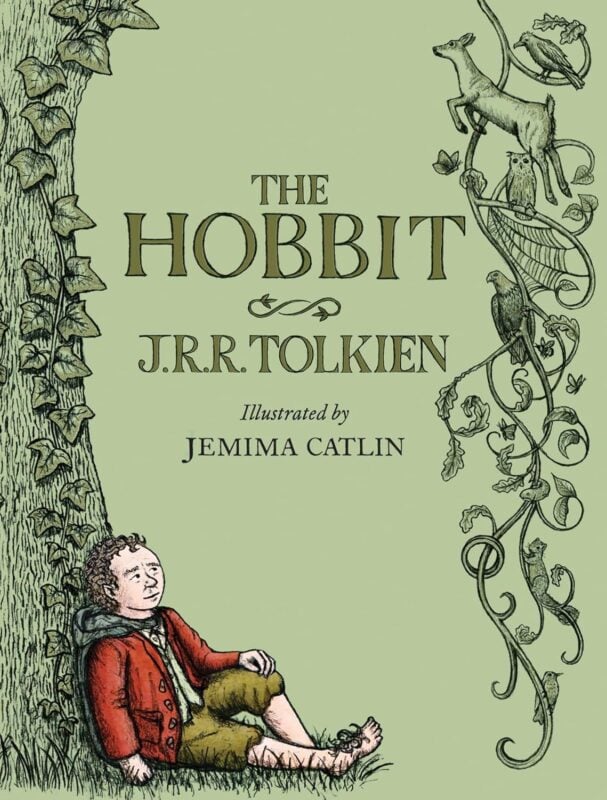
I love The Hobbit, but I am a Narnia girl through and through. Those are going to be the ones that I reach for first.
Katie Wray Schon (36:04):
Yeah, I know.
Sarah Mackenzie (36:07):
Sorry, Tolkien, but we do love The Hobbit too, don’t worry.
Katie Wray Schon (36:09):
I know. Oh, we do, oh we do.
Sarah Mackenzie (36:11):
I can hear some people guffawing right now.
Katie Wray Schon (36:14):
I know.
Sarah Mackenzie (36:17):
Well, thank you so, so much for coming. We are absolutely thrilled getting this book in as many of hands as possible. And we just think readers young and old alike are going to be just delighted and enriched by getting to meet Pauline Baynes. So thank you, thank you so much for taking the time to tell us her story.
Katie Wray Schon (36:38):
Yeah.
Sarah Mackenzie (36:39):
Where can our viewers and listeners keep up with you and what you’re working on?
Katie Wray Schon (36:43):
Oh, good question. So I’m somewhat active on Instagram. I’m not all on top of the social media, but I am on Instagram and on Bluesky, and both of them are KatieWraySchon, and my website usually has some tidbits and portfolio pieces and things like that, so I would love to connect with people. I love talking about children’s books, I love talking about Narnia, I love talking about Pauline Baynes, so I hope I get to talk with some of you out there about it sometime soon.
Sarah Mackenzie (37:15):
Wonderful. We’ll put links to all of those places in our show notes, which are at readaloudrevival.com/260. Thanks so much, Katie. I’ll talk to you again soon.
Katie Wray Schon (37:25):
Thank you.
Sarah Mackenzie (37:31):
Okay, let’s go hear from some Read-Aloud Revival kids about the books that they are reading and loving lately.
Lachlan (37:46):
My name is Lachlan and I live in Newtonville, Ontario, and my favorite book is the Incorrigible Children of Ashton Place because it has so many adventure and funny stuff in it.
Matthew (38:08):
Hello, my name is Matthew.
Sarah Mackenzie (38:09):
Where do you live?
Matthew (38:09):
Newtonville, Ontario.
Sarah Mackenzie (38:09):
And what book do you like?
Matthew (38:11):
Itsy Bitsy Spider.
Sarah Mackenzie (38:13):
Why do you like it?
Matthew (38:13):
Because.
Sarah Mackenzie (38:17):
Do you like that we can sing it?
Matthew (38:17):
Yes.
Speaker 4 (38:19):
Thank you.
Ainsley (38:27):
Hi, my name is Ainsley. I live in Wildwood, and my favorite books are Berenstain Bears.
Speaker 6 (38:28):
Why?
Ainsley (38:28):
One because I love bears and I love Berenstain Bears.
Speaker 6 (38:42):
And how old are you?
Ainsley (38:43):
I am four years old.
Moxie (38:47):
Hi, I’m Moxie and I’m eight years old. I live in Wildwood, New Jersey, and my favorite book is Misty of Chincoteague. I like that book because I always liked horses, and I especially like horses in the wild. I would really recommend that book.
Hazzard (39:04):
My name is Hazzard and I live in Wildwood, New Jersey. I’m 11 years old, and I would recommend the original Nancy Drew Mystery Stories because I like mysteries. My favorite book in the series is book number eight, Nancy’s Mysterious Letter because it’s my favorite.
Elias (39:22):
Hi, my name is Elias and I’m nine years old, and I live in the Middle East, and I like the How to Train Your Dragon Series, and I like it because it’s really funny and it has dragons. Bye.
Annabelle (39:41):
Hello, my name is Annabelle. I’m eight years old. I’m from Naperville, Illinois. My favorite books are the Laura Ingalls Wilder Little House on the Prairie series. I like it because I like learning about times of war and I like history. Bye.
Shadi (39:57):
I’m Shadi.
Speaker 10 (39:57):
And how old are you?
Shadi (39:57):
Three.
Speaker 10 (40:02):
And what’s your favorite book?
Shadi (40:03):
Pajama Time.
Speaker 10 (40:06):
And when do you like to read Pajama Time?
Shadi (40:08):
At bed.
Abby (40:10):
Hello, my name is Abby and I’m five years old, and I live in Naperville, and my favorite book is Rechenka’s Eggs because at the end, Rechenka leaves a little present for Babushka.
Sarah Mackenzie (40:28):
Thank you, thank you, kids. That’s it for this episode. Show notes for this show are at readaloudrevival.com/260 because this is episode 260. You can also get Painting Wonder now anywhere books are sold or by going to waxwingbooks.com. I just absolutely know this is going to be a favorite you want to pass down for generations in your home. It’s big, it’s beautiful, it’s truly a work of art, and it’s an invitation into the world of Narnia that will capture the hearts of your family. I’ll be back in two weeks with another episode, but in the meantime, you know what to do. Go make meaningful and lasting connections with your kids through books.