Sarah Mackenzie (00:00):
One of my secret weapons in homeschooling, and by secret weapons I just mean one of the most useful tools in all of my homeschooling years, is quiet reading time. I did quiet reading time through all of my oldest three kids’ homeschooling. They’re all in college. Actually, the oldest one just graduated with a Master’s degree from a university in Scotland, so that’s fun. I’m still doing it with my younger three.
(00:30):
A lot of you know that while I was in the throes of homeschooling the oldest three, those younger three were babies. It was a little insane. It didn’t look at all like a conventional school day at our house because there was not enough of me to go around. My homeschool was, just say, didn’t look impressive, But those kids have fared really well, and much to my delight, they’re all readers. One of the tools that I used in homeschooling and I continue to use has made a bigger difference in their becoming readers than anything else. That something is quiet reading time. It isn’t always quiet, and it’s not always reading as you’re thinking about reading. Let’s dive in.
(01:29):
Welcome to the Read-Aloud Revival. I’m Sarah Mackenzie and this is the show that helps you make meaningful and lasting connections with your kids through books. Okay, quiet reading time. Simple definition, it’s a time of day when everyone reads. When I was in school, we had something like this when I was growing up and they called it SSR, silent sustained reading I think is what it stood for. You might also know it as DEAR, drop everything and read, which is a little nod to Beverly Cleary and the Ramona Quimby books. But as I mentioned in the intro, it isn’t always quiet and it’s not always reading in the traditional sense. It’s also super simple, incredibly effective, and it was and continues to be my kids’ favorite part of the school day.
(02:17):
In this episode, I’m going to explain what quiet reading time is and what it isn’t. The benefits that it offers for your kids, your homeschool, and you. And why it’s such a game-changer to help you use a lot less curriculum than you otherwise might feel like you need to in your homeschool. I’m also going to share how you can start your own quiet reading time today, even if your house is loud, even if you’ve got a bunch of littles, or even if you have no idea how this will work for you.
(02:47):
First thing’s first, what is quiet reading time? It’s simply a time of day when everyone in your house no matter their age takes a pause to read a book. Specifically, to read a book they enjoy. Now, read can be a loose term. If you have a pre-reader, this might mean flipping through pictures in picture books and just looking at the pictures. It can also mean audiobooks, not just for your pre-readers, but especially for your pre-readers. But at our house, quiet reading time can be audiobooks for any of us. I still prefer audiobooks during my own quiet reading time. Whether it’s super quiet is negotiable. Whether your kids are listening to audiobooks or reading with their eyes, and definitely whether and how many toddlers and babies you have underfoot will also determine how quiet quiet reading time is at your house.
(03:46):
But there are a few important key ingredients to quiet reading time and to make quiet reading time as impactful as possible. Are you ready for those? Number one, it’s helpful if your quiet reading time happens at around the same time every day. You know, ish. Your parenting humans so you probably don’t live your life by a clock. But if you can say, “Quiet reading time comes after lunch,” or whatever, that just establishes a pattern so you don’t have to decide each day when quiet reading time is coming. Your kids don’t have to ask you when it’s coming. It’s just a pattern everyone knows to expect.
(04:24):
I would recommend doing your quiet reading time during the baby’s nap if you have a baby who naps. Speaking of naps, naps are just find during quiet reading time. If you go lay down on your bed to read during quiet reading time, or your kids do, and they fall asleep or you fall asleep, great. That means you needed rest, your body is telling you you needed rest. That rest is important. Naps are totally fine. There’s two things that are allowed at my house during quiet reading time, reading and naps. Either one is acceptable.
(04:58):
Okay, the next thing that’s very important to your quiet reading time, and this one is actually more important than you think. Everybody gets to pick what they read. It is not assigned. You don’t hand your kids a book and tell them to go read it for their quiet reading time. You don’t even encourage your kids to read their school reading during quiet reading time. No, no. Actually, I think quiet reading time is most effective when you tell your kids, “Don’t do your school reading. Quiet reading time is for fun reading. You’re not allowed to read any school books.” I said this so many times. Why on Earth would I say that?
(05:39):
Well, the reason we want our kids to pick what they want to read for fun is because reading for fun is more important than you think. I did a whole podcast on that very topic, that reading for fun is more important than you think. I’m going to link to it in the show notes and in the video description below this video in case you haven’t listened to that podcast, you can go find it. But reading that you and your kids do by your own volition, by your own choice, that you actually enjoy has a bigger impact on you and your kids as readers than reading anything that was assigned.
(06:15):
You know, our goal is to raise kids who read. If we think about adults who read, if you think about one of the adults you know who reads a lot, I would bet that person picks most of their own reading. We want our kids to develop the skills of choosing their own books because that is what readers do, we choose our own books. I remember talking to Dr. Alan Jacobs on one of the previous episodes of this podcast. He is the Honors English Professor at Baylor University. He’s written a couple of fabulous books.
(06:51):
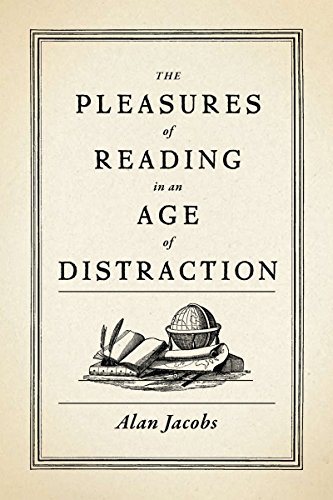
My favorite of his is probably The Pleasures of Reading in an Age of Distraction. He would talk in that book, he talks about how a lot of his graduate English students would graduate with their Master’s degree in English, and then they would be very panicky because they would come back to Dr. Jacobs and say, “I don’t know what to read.” They didn’t know how to pick. They had spent their entire childhood and all of their education years being told what to read. Now they had the time to read for fun and they didn’t have the skills of choosing their own books. This idea, he calls it reading at whim. There’s an excellent chapter in his book The Pleasures of Reading in an Age of Distraction about reading at whim. But this idea of developing the skills to be able to read for fun are really important and we don’t pay any attention to them, and I think we should.
(07:37):
Now, you can help your kids choose books, we’re going to talk about that in just a minute. But the key to quiet reading time being the favorite time of day and having a significant impact on your homeschooling is that your kids choose the reading that happens during quiet reading time. It is not a bucket for you to fill with assigned reading. Now, let’s talk about why quiet reading time is so beneficial.
(08:04):
One of the benefits of quiet reading time for our kids is that it helps them build reading stamina and develop the sense of being comfortable with being alone with books. This is really important if you want to raise a reader. We aren’t usually that comfortable sitting by ourselves reading quietly unless we have practice doing it. It’s extremely difficult today to resist that siren song of screens, and choose a book instead of choosing a screen. This is true for adults, too. It’s true for adults who are already readers, adults who are already voracious readers. Even who are wanting to read more and spend less time on their phone. Anyone else, or is that just me?
(08:48):
It’s a gift to our kids that a time of day is set aside for them to read, where the only option is to sleep. They don’t have any decision fatigue. They don’t have to use any of their limited willpower reserves to choose reading, it’s chosen for them. Then they’re choosing gets to be spent on what they read and this gives them the mental white space they need to develop the habits of a real reader. I think it really helps turn reading into a natural part of their day, something they do, not something they have to do. We want our kids to feel like a day without reading for fun is as weird as a day without brushing their teeth. We want it to be that habitual, that natural.
(09:34):
For that to happen, we need to carve out the time and we need to prioritize it. Which means that once you start a quiet reading, have it in your home, you want to make it one of the most important parts of your homeschool day. It won’t be that difficult because your kids will really like and you’ll really like it. You just have to keep convincing yourself that just because it’s so enjoyable doesn’t mean it doesn’t matter, because we sometimes think the things that are the most enjoyable don’t count. It’s a funny thing that we do.
(09:59):
Now, I think quiet reading time can also be a lifeline for us as homeschooling moms. Especially if you have a lot of kids at home, and you wake up in the morning with sort of a long day ahead of you. Knowing that you have this small reprieve, this chunk of time set ahead of you for a few minutes can be really amazing. Like, “I know that I get my quiet reading time at this time.” I know especially when I was parenting really littles, I would struggle a little bit with bitterness, just being real here, about all of the responsibilities and how much of myself I had to give every single day, day in and day out. Reading ended up being a source of, “But you get to read today. I get to read for 10 or 15 minutes this afternoon and I can look forward to that.” It just takes the edge off some of that frustration that there’s such a long day ahead.
(10:52):
In my house, my rule was that I also, and it always has been, that I participate in quiet reading time as well. That meant that no matter what state the house was in, no matter if the dishes were overflowing in the sink, or the wet laundry was still sitting in the washing machine and needed to be moved to the dryer, or dinner needed to be put in the Crock-Pot, no matter what, I was not allowed to touch anything until I had read for 15 minutes.
(11:24):
When quiet reading time started, I could not touch a household chore, I could not pick up my phone until I had read for 15 minutes. Usually, it turns into longer than that because getting started is where most of the resistance is. Just like, “Oh, I see all these things that I need to do around the house.” Sitting down and reading feels very decadent and luxurious. I’m like, “I don’t have time for that, maybe I’ll do it later after I do …” No. Everything else can wait, this is the most important parenting task because I am modeling for my kids what it looks like to be a lifetime reader. That’s why I’m doing right now, it’s really important.
(12:01):
Also, I feel so restored after a bit of reading. What I found is that this time really refreshes me. I know that when I got into this habit, I had forgotten before how much joy that reading for fun can cause. I know I’m a better mother after a quiet reading time than I am before because I’ve refilled. It’s very restorative, so I come back to my kids more refreshed, and more patient, more connected. Less bitter.
(12:31):
For your homeschool, quiet reading time can help you use way less curriculum than you might otherwise. Because if your kids are reading for a set amount of time every day, they are learning a lot. They are learning a ton. If you read a book, and it can be any book. We’re actually going to do a podcast episode on this very soon, just how much your kids are being exposed to and learning when you read an ordinary novel aloud. That isn’t a part of the curriculum, that doesn’t tie into the historical time period you’re learning about, that isn’t tied to a certain science topic. They’re still touching history. A lot of times, they’re learning science. They’re hearing beautiful grammatically correct language patterns. For many books, they’re also learning ideas about civics, and cultural understanding, and geography, and all kind of things.
(13:22):
The truth is that being educated means being a reader. I have found that when I use quiet reading time and I allow my kids to choose the books they want to read for fun during quiet reading time, I almost never need to assign reading in our homeschool. Now, that might sound a little odd considering how much I talk about books, but I really rarely, rarely assigned books to my oldest three kids, who like I said are all graduated and gone. And almost never assign books to my younger kids.
(13:52):
Here’s why. I want my kids to become real readers. I’ve watched it happen with my older three, so I know this works. I don’t want them to be compliant readers who read because they’re told to and don’t know how to choose books for themselves. I want them to read because they’re curious and they love reading, and quiet reading time helps us do that. It sets this tone that reading is a normal, natural part of life, just like brushing your teeth, or eating lunch, or visiting with a friend. Because it’s not tied to school work, the kids feel more free to explore. They try new genres and abandon books that aren’t a good fit for them. They follow their interests.
(14:32):
When kids become self-directed readers, that’s really the goal. We want them to become self-directed readers because most of the reading that your kids will do in their life happens after they leave your home. Hopefully, God willing, then they leave your home at 18 and the rest of their lives, they’re reading. We hope and pray that’s the truth. Most of the reading they do should come after they leave home, which means that when they’re in home with us, our goal can just be I’m teaching them to love reading. They’ll learn so many things as they’re reading these books that just cover this broad, expanse of history, and culture, and science, and language, and all this good stuff. This love of reading gives them the time and space to be readers and to develop the habits of real readers.
(15:18):
How do I homeschool and raise kids who are readers without pretty much ever assigning books? Quiet reading time is how. I assign the time, not the titles. Because my kids were reading every day, and I’m thinking about my oldest three right now, they read a lot and I didn’t need to assign books. Now, sometimes I would kind of. There’s a sneaky, side oblique way that you can assign books and I’ll tell you about this.
(15:46):
If you have a kid who always reads the same kind of book, you can use quiet reading time to help you here. Two of my now adult kids who are both thriving in college and love reading still, those two used to only read fantasy. They would read fantasy, and fantasy, and just a little bit of fantasy. It was all fantasy, all the time. They would never choose a book in a different genre. They would never pick up historical fiction or a nonfiction book, or a memoir, or a classic, or something. It was fantasy or nothing.
(16:19):
I wanted them to read more widely of course, but rather than assigning books, I would choose, it depended on the year and the kid, but let’s just say seven to nine books that I wanted them to read in a school year. Classics, historical fiction novels, nonfiction. I would choose nine books and I would put them on a shelf or in a basket and say to my sixth-grader, “It doesn’t matter to me when you read these books, but you need to read these nine books this school year.” In that way, I was assigning books. That worked out to about one book a month, so I’ll let them know that. “That’s about a book a month, so heads up on that.”
(16:59):
When you finish each of these books, come tell me and we’re going to go get a hamburger,” because that was my son’s love language. Actually, it still is my son’s love language. He’s 20 now. “We’ll go get a hamburger and we’ll talk about it.” Now that means that if he ended up in his quiet reading time reading Garfield or his fantasy series during quiet reading time, that’s fine. But sometimes he’d go, “Oh, I need to read one of my shelf books, one of my basket books,” depending on where we were keeping it, so he would pick one of those.
(17:31):
Also, what helped is I didn’t say, “In September, you need to read this particular book,” I just gave him the nine books and said, “Pick one a month.” He could pick them up, look at the covers, read the back, flip through and go, “I think I’m in the mood for this one.” That’s also teaching our kids the skills of readers because that is how adult readers choose books. You go to the library or the book store, or to your online book store, and you start reading descriptions. You start flipping through it and deciding, “Is this something I want to read?”
(18:00):
Even when I was assigning books, I was still trying to do it in a way that helped them develop the habits of real readers because that, remember, is our real goal. Not to have our kids read a certain number of books or a certain collection of books before they leave our home, but to have the skills and the desire of a real reader so that for the entire rest of their life, which is the majority of their life God wiling, they will be readers and have so much more to read.
(18:26):
Now, by the time my older kids were about 12, their quiet reading time was about an hour. We’re going to talk about inching up and how to do time, so we’ll talk about that in a minute. But if you’re reading for about an hour a day, it’s a lot of reading, you can cover a lot of ground. Because they were reading for an hour, or sometimes as they got older, there would be a couple of quiet reading times a day, a couple of hours, they were able to read a ton. Because of that, they read a wide variety of genres, they were able to read through all the books that I would suggest on their shelf, and they were able to read so much for fun and develop this habit of being people who just read because that’s what we do.
(19:06):
The other benefit to that is that if all your kids are reading is what you pick, then they’re going to end up in that same situation that Dr. Jacobs’ graduate students did where they’re like, “I don’t know how to pick a book for myself, I’ve never done this before.” It also feels then like reading is another thing where “Mom tells me to take out the garbage, make my bed, wash the dishes, and read books.” Instead, if reading is mostly what they do for fun and sometimes mom picks something every once in a while, it’s not a big deal. It’s a much smaller percentage, it’s a smaller piece of the pie that you’re assigning or that you’re suggesting compared to all the books that your kids are choosing to read on their own.
(19:50):
That’s important because, again, if we’re raising readers who will read into adulthood, they will become people who read mostly what they choose themselves and occasionally, especially if they’re in a book club or they read for their work, books that are assigned to them. This is a really good mirror of what we’re having them practice to be ready to do. It gives them a lot of practice with choosing books and reading for fun, and also reading things that have been given to them to read.
(20:23):
Okay. That kind of brings us to the question how long should quiet reading time be? I would say, in an oh so helpful way, that depends. Quiet reading time should be shorter than you think probably. I think you should stop quiet reading time before it feels long, and laborious, and boring to your kids. That means when you first start quiet reading time, you want to start with 10 minutes max. You do that for a while, “We’re doing a 10-minute quiet reading time.” Your kids might start asking for longer, especially if after quiet reading time is math or something. Then you can creep it up to 20 minutes, and then 30 minutes, or go up by five minute increments. It doesn’t matter. You want to just creep it up to get your kids used to enjoying it. Once they’ve had it down for a while, having an hour-long quiet reading time or a couple of those once your kids are in high school will be no big deal.
(21:19):
They’ll start developing different habits as readers. They’re going to start stockpiling books for quiet reading time. They’re going to start getting halfway through their book and being like, “Hey, Mom, we’ve got to go to the library because I’m going to finish this book this week and I need something else on deck.” In the world of bookish people, we call these TBR stacks, to be read stacks. They’re going to start developing their own TBR stacks. These are the habits of real readers.
(21:43):
Now, I think I mentioned that if you have babies or toddlers, nap time is the best time to do quiet reading time. But I did go through a season where my littles … I had older kids, and then my littles were two, one and one, because I have twins, and they did not nap at the same exact time, alas. During that time when I didn’t have a nap time, my quiet reading time, my own personal quiet reading time was about 10 minutes. I would send the bigger kids off to their rooms for their quiet reading time. Then mine, I would lay out this big blanket on the living room floor, I would pull out a couple of toys that I just reserved for this so that they were more interesting to my toddlers than toys they had out all the time. I would plop myself on that blanket and I would read for 10 minutes.
(22:32):
It was not quiet. I often times had to reread the same thing I read yesterday because I could not remember what happened. But it was still developing the habit and that is only a season. And then they get to be older, where they can then spend time in their room with their Legos listening to an audiobook, which is often times how my kids spent quiet reading time.
(22:52):
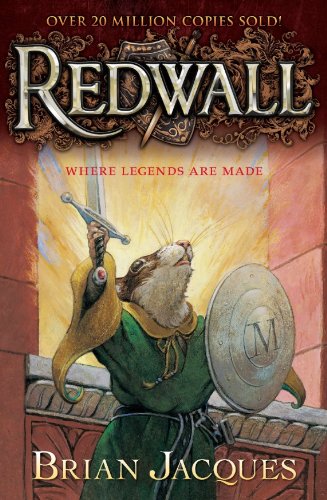
Let’s talk about some of those other considerations. I mentioned audiobooks earlier. Audiobooks at my house, fine. Reading is reading, regardless of the body part you use to do it. Whether you take it in through your eyes or your ears, it does not matter. My now 20-year-old son, he was a later reader. For years, even after he could read independently, his quiet reading time was spent with Legos in his bedroom, listening to the audiobook Redwall series. Which is an excellent series, by the way. It’s extremely well-written. There’s a million books, so it takes a really long time before you have to find something else for your kids and they love it. Usually, kids who start Redwall want to keep going with Redwall. You don’t have to find a new series very often. Even now, he counts those hours that he spent in his room playing with Legos and listening to Redwall as some of his best childhood memories.
(23:50):
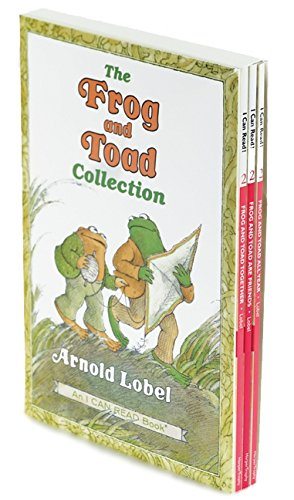
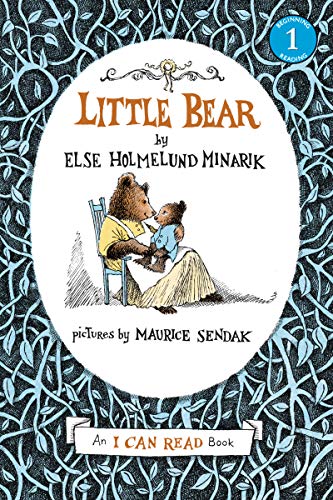
I also think that because he spent so many hours listening to Redwall in those years when he was struggling to become a fluent reader himself, that helped him make the switch to fluent reading quicker. Because by the time he was able to decode words and do the phonetic work required to read with his eyes, he knew what good language sounded like. He knew what dialogue sounded like. He went from reading Frog and Toad, and Little Bear with a lot of work, to flipping to reading middle-grade fantasy really quick when the time came. It was later than I wanted it to be at the time, but it happened almost overnight. I do absolutely believe that quiet reading time was key to that happening because he spent hours, and hours, and hours hearing good language so that by the time he was able to decode it, he could recognize it on the page.
(24:39):
I’ll mention it again in case you missed it the first time. He listened to those audiobooks during quiet reading time even after he was reading well on his own. Remember, there are some specific benefits to listening to a read-aloud that are superior to reading with your eyes, things that reading with your eyes doesn’t allow. For example, the storage of grammatically correct sophisticated language patterns is enhanced when you’re listening with your ear because each word is read in order. Your eyes are not skimming the same way they do when you’re reading with your eyes. The language is stored in those complete grammatically correct sophisticated language patterns. There is a distinct advantage to listening to books read aloud. Don’t ever feel like, during quiet reading time, listening to audiobooks is subpar to reading them with your eyes. It’s not.
(25:29):
Okay, so how do we get started? How do you get started? The best thing to do first is just to pick a time of day where you can start, and I would just say 10 to 15 minutes. I would start with 10. I would make it about the same time every day. If you have toddlers or babies, again, and they nap, use nap time. It doesn’t have to be at 1:00, it can just be after lunch or when the baby goes down to nap. It could be fluid, we’re humans here. But you also want to be really clear with your kids. I let my kids play with Legos, or dolls, or color, or whatever else actually in their bedroom while they listened to audiobooks. Or they could lay on their bed and read with their eyes. Some preferred one, some preferred the other. Some would switch depending on the day.
(26:12):
The only rule for my kids is they couldn’t come out until the time was up. You can use a timer for that if you want. You could just make it a habit to, after however much time, I’ll come open your door. A timer is nice because then if they’re in the groove of reading, they might just turn off the timer and keep going. That may happen more often than you think.
(26:29):
Then here’s the big key. You’ve got to do it, too. Make it a rule for yourself. No housework, no phone, nothing until you’ve read for 10 to 15 minutes, whatever your quiet reading time is. If you need a recommendation for what to read that sounds fun because it’s been a while since you’ve read for fun, then go to the show notes for this episode, those are at readaloudrevival.com/270. We’re going to link to a book list that are great books for mama that you probably are going to have a hard time putting down.
(27:00):
Remember that when you are reading, when you are spending that time in quiet reading time and you’re reading, you’re modeling the reading life for your kids. You’re resetting your own refreshment. This is the most important thing you can be doing. You can also be washing dishes and folding laundry, but this is more important. It’s going to have a more lasting impact and it’s only 10 to 15 minutes. You have time, I promise.
(27:23):
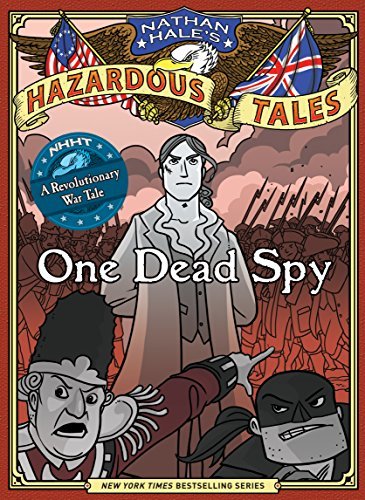
Okay, what do you do if your kids complain? That’s okay. Number one, your job is not to keep your kids from complaining actually. There’s not really a problem when your kids complain. I would say just start with a shorter time, even if it means five minutes. The other thing I would say is make sure they have books they want to read. Make sure you’re not giving them a stack of classics and historical fiction novels and being like, “Here you go, you can pick any of these.” I know, I see you. Get some comic books. Get some graphic novels. There are some excellent graphic novels by Nathan Hale that are historical, so you’re going to feel like, “Okay, they’re learning some history.” They’re written like adventurer graphic novels. They’re so good, they’re so well done. Hard to resist.
(28:06):
Actually, graphic novels, I’ll just go on a little side rant here. They provide what we call multi-modal reading. A multi-modal reading experience, I should say. This is where your child’s brain basically has to activate in multiple parts, multiple areas because when you’re reading a story with just words, your brain is very much in the language center, wherever that is, I’m not going to pretend like I remember off the top of my head, to be able to what’s going on. But when you’re reading a graphic novel, you have to keep up with the words and the pictures or you don’t get the full story. Picture books are like this, too. Your brain goes into a multi-modal type of learning. Where now, multiple areas are activated because the story relies on both words and pictures. It’s really good stuff. Your kids will really enjoy them, and it’s really good for them and good for their brains.
(28:59):
Then, just inch that time up slowly. You want this to be your kids and your own favorite time of day. Resist that urge to be like, “We’re doing quiet reading time. We’re starting with an hour. Everybody’s going to love it.” I’ve been that kind of mom, too. But you really want quiet reading time to be something that you can do for all of your homeschooling years. You want it to be one of their favorite times of day. Don’t go full bore and launch in so completely that everybody’s groaning when you say it’s quiet reading time. You really want to do it in such small increments that your kids are begging, “When is quiet reading time today?” That’s your goal.
(29:36):
Okay, I want to encourage you to give this a try this week. Like tomorrow, just pick a time and see if it works. Make it yours. Let it evolve with your family, make shifts. I’ve told you how I do quiet reading time, but there are a million different families and a million different good ways to do quiet reading time, so make your own rules. But don’t budge on that one where you’re letting your kids pick books they want to read. I’m telling you, that is crucial. I know some of you are like, “I’ll do all of them except that.” But please hear me out. It will make such an impact on your kids’ reading lives if you give them time set apart where they’re supposed to be reading for fun. It will transform their reading experience when there’s reading for school if they have this time to read for fun. If they have time every day to read for fun, it will absolutely and fundamentally change the way they view reading for school and otherwise.
(30:30):
Okay. You can start any time of year, it does not matter. Start tomorrow. Why not? It’s the best day. Okay. If you need a book recommendation for yourself, head to readaloudrevival.com/270. That’s where the show notes are and you will be able to find a book recommendation there for yourself, something that you’ll really enjoy on your own quiet reading time. Now, let’s go listen to what the kids are enjoying reading lately.
Charlie (31:00):
Hi, my name is Charlie. I am five-years-old. I live from Winnie, Texas. My favorite book is Frog and Toad. And I love it because it’s so funny.
Elise (31:16):
Hi, my name is Elise. I am 13-years-old and I live in Memphis, Tennessee. My favorite, well, one of my favorite book series is the Enchanted Forest Chronicles. I like it because it takes place in the fairytale world, but it has a modern twist on it, so the characters are really relatable.
Naomi (31:39):
Hi, my name is Naomi and I live in Memphis, Tennessee. I am eight-years-old, almost nine. My favorite book is The Chocolate Touch because this boy, John, everything he puts in his mouth turns to chocolate. When he put his dirty gloves, they turned to chocolate, too. They turned to chocolate because he ate this piece of chocolate from this chocolate store.
Speaker 10 (32:12):
What’s your name?
Oscar (32:13):
Oscar.
Speaker 10 (32:14):
How old are you?
Oscar (32:15):
Seven.
Speaker 10 (32:16):
Where are you from?
Oscar (32:18):
I’m from Australia and I live in England.
Speaker 10 (32:22):
What’s your favorite book?
Oscar (32:23):
How to Train Your Dragon.
Speaker 10 (32:26):
Why?
Oscar (32:27):
Because it has lots of exciting adventures.
Speaker 10 (32:29):
What’s your name?
Max (32:30):
Max.
Speaker 10 (32:30):
How old are you?
Max (32:30):
Three.
Speaker 10 (32:30):
Where do you live?
Max (32:30):
England.
Speaker 10 (32:30):
What’s your favorite book?
Max (32:30):
How to Train Your Dragon.
Speaker 10 (32:30):
Really? Why is that your favorite book?
Max (32:30):
Because it has lots of exciting adventures.
Speaker 10 (32:31):
Yeah. Thanks, Max.
(32:31):
What’s your name?
Heidi (32:33):
Heidi.
Speaker 10 (32:33):
How old are you?
Heidi (32:34):
I’m five.
Speaker 10 (32:36):
Where do you live?
Heidi (32:37):
England, and I was born in Australia.
Speaker 10 (33:04):
What’s your favorite book?
Heidi (33:06):
Stories of Fairy Fun.
Speaker 10 (33:08):
Stories of Fairy Fun. Do you know who it’s by?
Heidi (33:13):
Enid Blyton.
Speaker 10 (33:14):
That’s right, that’s right. Why is that your favorite story?
Heidi (33:18):
Because it has lots of fairies in it.
Zara (33:22):
Hi, my name is Zara. I’m from Winnie, Texas. I’m seven-years-old. My favorite book is The Do Perfect Book. My favorite part about it is that when they give tips and tricks.
Elijah (33:35):
Hi, my name is Elijah. I’m 10-years-old, I live in Winnie, Texas. My favorite book is Logan Pryce Makes a Mess, the Maple Ridge series. My favorite part about it and what I like about it is that he’s just like me.
Sarah Mackenzie (33:50):
Thank you so much, kids. Show notes for this episode are at readaloudrevival.com/270. Quiet reading time, I’m telling you, it is simple. It seems like it’s too simple to be effective, but I think it can change the whole tone of your homeschool and your home. It’s a habit that can help your kids grow into readers. A habit that can really refresh and rejuvenate you as the homeschooling mom, give you a much-needed pause, and where reading becomes a natural, joyful part of every day life and your kids grow into real readers. That’s really the goal.
(34:33):
I’ll be back in two weeks with another episode. But in the meantime, you know what to do. Go make meaningful and lasting connections with your kids through books.