Books By:
Alan Jacobs
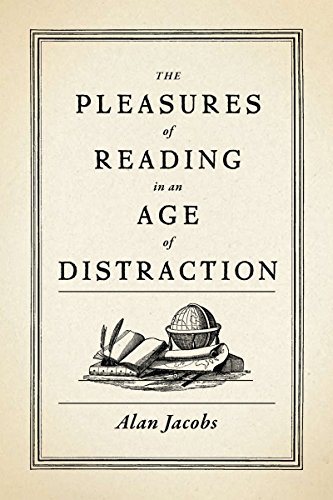
The Pleasures of Reading in an Age of Distraction
FROM SARAH:
Alan Jacobs is one of my very favorite nonfiction writers. I feel smarter after I've read them, and like my soul has been spiffed up, too. Don't miss my conversations with Alan Jacobs on the RAR Podcast: #145 The Importance of Reading at Whim and #163: A Reader's Guide to a More Tranquil Mind.
FROM THE PUBLISHER:
In recent years, cultural commentators have sounded the alarm about the dire state of reading in America. Americans are not reading enough, they say, or reading the right books, in the right way.
In this book, Baylor University Professor Alan Jacobs argues that, contrary to the doomsayers, reading is alive and well in America. And the best kind of reading of all is reading at whim.


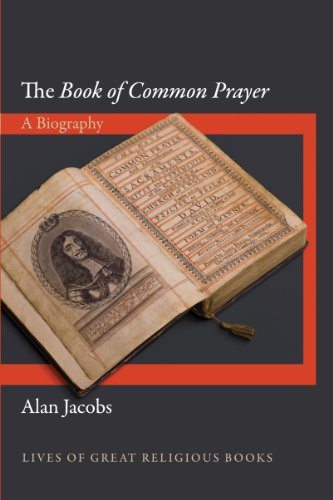
The Book of Common Prayer: A Biography (Lives of Great Religious Books)
**Description from Amazon: How The Book of Common Prayer became one of the most influential works in the English languageWhile many of us are familiar with such famous words as, "Dearly beloved, we are gathered together here. . ." or "Ashes to ashes, dust to dust," we may not know that they originated with The Book of Common ...
More info →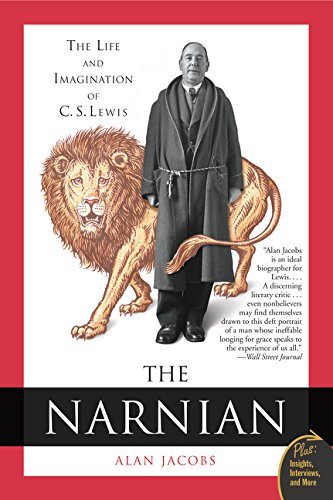
The Narnian: The Life and Imagination of C. S. Lewis
**Description from Amazon: The White Witch, Aslan, fauns and talking beasts, centaurs and epic battles between good and evil -- all these have become a part of our collective imagination through the classic volumes of The Chronicles of Narnia. Over the past half century, children everywhere have escaped into this world and de...
More info →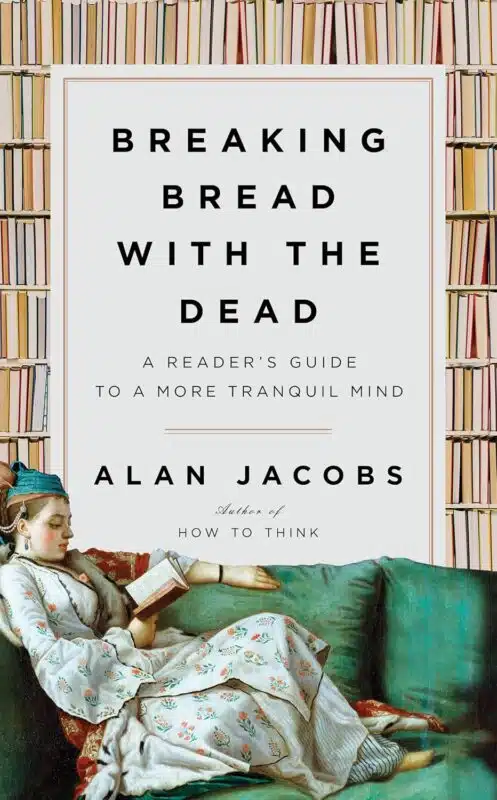
Breaking Bread with the Dead: A Reader’s Guide to a More Tranquil Mind
FROM THE PUBLISHER:
Today we are battling too much information in a society changing at lightning speed, with algorithms aimed at shaping our every thought—plus a sense that history offers no resources, only impediments to overcome or ignore. The modern solution to our problems is to surround ourselves only with what we know and what brings us instant comfort. Jacobs's answer is the opposite: to be in conversation with, and challenged by, those from the past who can tell us what we never thought we needed to know.
What can Homer teach us about force? How does Frederick Douglass deal with the massive blind spots of America's Founding Fathers? And what can we learn from modern authors who engage passionately and profoundly with the past? How can Ursula K. Le Guin show us truths about Virgil's female characters that Virgil himself could never have seen? In Breaking Bread with the Dead, a gifted scholar draws us into close and sympathetic engagement with texts from across the ages, including the work of Anita Desai, Henrik Ibsen, Jean Rhys, Simone Weil, Edith Wharton, Amitav Ghosh, Claude Lévi-Strauss, Italo Calvino, and many more.
By hearing the voices of the past, we can expand our consciousness, our sympathies, and our wisdom far beyond what our present moment can offer.
More info →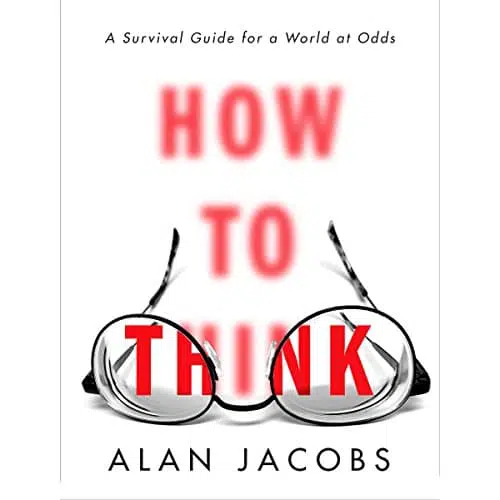
How to Think
FROM SARAH:
Alan Jacobs is one of my very favorite nonfiction writers. I feel smarter after I've read them, and like my soul has been spiffed up, too. Don't miss my conversations with Alan Jacobs on the RAR Podcast: #145 The Importance of Reading at Whim and #163: A Reader's Guide to a More Tranquil Mind.
FROM THE PUBLISHER:
Most of us don't want to think, Jacobs writes. Thinking is trouble. Thinking can force us out of familiar, comforting habits, and it can complicate our relationships with like-minded friends. Finally, thinking is slow, and that's a problem when our habits of consuming information (mostly online) leave us lost in the spin cycle of social media, partisan bickering, and confirmation bias. In this smart, endlessly entertaining book, Jacobs diagnoses the many forces that act on us to prevent thinking - forces that have only worsened in the age of Twitter, "alternative facts", and information overload - and he also dispels the many myths we hold about what it means to think well. (For example: It's impossible to "think for yourself".)
More info →