RAR #263: Growing in Confidence as a Homeschool Mama with the RAR Team
In this episode, RAR Community Manager Kelsey Murphy and I sat down to tackle some of your listener questions.
We put our heads together to answer questions about loved ones who don’t support your choice to homeschool, curriculum overwhelm, reading aloud with older kids or a wide age range of ages, how to encourage your kids to read high quality literature, and more!
In this episode, you’ll hear:
- How to make peace with your choice to homeschool even when loved ones misunderstand
- Ways to keep connecting with older kids through reading aloud even with busy schedules
- The importance of “fun” books in developing your child’s reading life
Some links are affiliate links
Sarah Mackenzie (00:00):
Hey, hey. Welcome to the Read-Aloud Revival podcast. This is the show that helps you make meaningful and lasting connections with your kids through books. And it is now not just an audio podcast, but also a video. So if you're listening to this on your podcast app, you can head over to readaloudrevival.com/video if you'd like to watch it instead.
(00:33):
Today, we're going to tackle some questions that you all have sent in great questions about reading aloud with a wide range of ages, how you make decisions in your homeschool, what to do when you've got family members who are not excited about your homeschooling, some practical time management questions, and things like when do you choose fun books over higher quality literature and all that good stuff. And joining me to tackle those questions is Read-Aloud Revival's community manager, Kelsey Murphy. Kelsey, I always love having you on the show. Thanks for joining me.
Kelsey Murphy (01:07):
Thanks. It's so fun to be back.
Sarah Mackenzie (01:09):
Do you want to tell us a little bit about yourself?
Kelsey Murphy (01:11):
Yes. So like you said, I'm the community manager here at RAR, so I get to help create content for our mama book clubs and Circle with Sarah. And I'm in the forum a lot interacting with our members. I have six kids, my oldest is 12, my youngest just turned three. And we've been homeschooling for several years now, and it's been a blast. It's not something we set out to do, but I'm really glad it's what we're doing now.
Sarah Mackenzie (01:39):
Yeah, I love that. When it takes you by surprise, there's so many stories like that. I think of families who started homeschooling out of a need, and then were like, "Actually, I think we want to keep doing this."
Kelsey Murphy (01:49):
Yes, absolutely.
Sarah Mackenzie (01:51):
Yeah. So for those of you who are new to the show, I'm Sarah Mackenzie, and I have six also. Our oldest are all graduated and in college and university or grad school even. In fact, I'm wearing my University of St. Andrews shirt today, because we just went to Scotland and visited her. It was amazing. And still homeschooling three, a 13-year-old and twin 11-year olds. But when the oldest was 12, I had a 12, a 10, an eight, a 1-year-old, twin newborns. So we've got quite a set of questions today that I think will be fun to unpack together. Okay. So let's get started with this question from Chelsea.
Chelsea (02:29):
Hey, Sarah. This is Chelsea from Texas. I had a question about being self-referencing in homeschool. So I have a daughter who has dyslexia and she's in third grade, and we are still on the struggle bus with reading. And my mom is a big part of our life. It's been a struggle to keep that relationship not codependent. But she really is one of the biggest supporters for our family, and she's real concerned about my daughter not reading and just puts a lot of pressure on me and on my daughter, even my son who... He's in kindergarten this year. We're not really starting formal instruction until next year. It's just hard to keep my head on straight when homeschool is not something that, my biggest cheerleader in other areas of life, my mom is not a cheerleader for my homeschool. And I think I've heard you mention that in your story as well.
(03:38):
But any resources or encouragement about how to stay the course and feel confident when people whose opinions I really care about, they're just not super excited about some of the choices that we're making? Anyways, I would love any resources or book recommendations or help with mindset around that. Thanks.
Sarah Mackenzie (04:03):
I think a lot of us actually have somebody important in our lives who is not super excited about homeschooling. Or I think where it comes from is just that really deep concern for your kids. So usually somebody like a grandmother or an aunt or a grandfather or some other kind of family member who loves your child so much is just doing it out of concern. And because we tend to get kind of fearful of things we don't understand, especially if homeschooling wasn't a part of their education or their experience parenting through education, it's a completely foreign, it feels like, "Why would you do that?" You know?
Kelsey Murphy (04:38):
Yeah.
Sarah Mackenzie (04:39):
All that they might know is a traditional school model. What comes to mind for you, Kelsey?
Kelsey Murphy (04:43):
Yeah. Well, I think this is tricky, because, like Chelsea said, this is someone whose opinion matters to her.
Sarah Mackenzie (04:50):
Yeah. Yeah.
Kelsey Murphy (04:51):
This is not just a random stranger at a grocery store who's questioning her decisions. This is her mom who she values and wants her to be a part of her life. So it's not like you can just cut her out or those comments don't roll off your back as easily when it's someone who is close to you. So yeah. I think you're correct that it does come from a concern as a grandmother, as a mom even. She's concerned for her daughter and for her grandkids. But how do you temper that a bit and express that you're making decisions for your family that look different from the way that you grew up? And maybe that's just part of the puzzle too, is that, like you said, homeschooling is so foreign and different, and different can be challenging to accept.
Sarah Mackenzie (05:49):
Yeah. I remember way back at the beginning, we really didn't have anybody in our family who was excited about homeschooling or happy to hear that I was going to try doing it. And we didn't know anyone really who was doing it, which I think goes back to that sort of fear of the unknown. But I remember stumbling across this thing Ruth Beechick said, and I went and dug it up so I could remember. I wrote it down in my journal. I remember reading it many times during those early days. She wrote, "Quietly go about your own family work, don't argue too much, and patiently wait for the time when your success will argue for itself."
(06:30):
It's really hard to do, but I think if you can think, "Well, I'm working for an audience of one here. I know that we've been called to homeschool that this is the best place for my kids right now. It doesn't follow a traditional scope and sequence. They're not going to necessarily be learning the exact same things they'd be learning in school at the same time. So that's going to make some people uncomfortable, but I'm responsible to God for this child's education."
Kelsey Murphy (06:54):
Yes. Yes.
Sarah Mackenzie (06:55):
Then it kind of gives you a little bit more courage to be willing to be misunderstood, I guess, to be willing to be doubted, sort of let them doubt you. And then over time, what I found with my oldest three who have now all gone off to college or grad school or with academic honors and doing really well, and we were not necessarily traditional school. We didn't do anything that looked like traditional school. All of my kids were late graders. The time... Nobody questions now, "Was that a good idea for Sarah to homeschool those three older children?"
Kelsey Murphy (07:30):
Right.
Sarah Mackenzie (07:30):
Because they're doing so well. Usually what they say is something like, "How are your young adults so delightful to be around?" Or, "How are they so well-prepared for what they encountered at university?" So it sort of speaks for itself, but not yet. You're in the planting phase.
Kelsey Murphy (07:46):
Right. Right. And I think the reality is she mentioned dyslexia, and her child would have dyslexia whether she was in home school or in a public school.
Sarah Mackenzie (07:56):
Yes.
Kelsey Murphy (07:56):
That challenge wouldn't be any different. It might look a little bit different how you address it, but it would still be a challenge. So I wonder if grandma would have as many concerns if her granddaughter was in public school, but still struggling with dyslexia. There's that component as well.
Sarah Mackenzie (08:19):
Yeah.
Kelsey Murphy (08:19):
So it kind of reminds me of being a first time mom. And you have this little baby, and everyone just wants to give you all of their advice and say, "Don't do this. Don't co-sleep. Don't let them cry it out. Don't do..." You know?
Sarah Mackenzie (08:32):
Yeah.
Kelsey Murphy (08:32):
But now, you look at your kids a few years down the road, and no one knows like, "Oh, I bet you were a cry it out mom," or, "I bet you were a co-sleeping mom."
Sarah Mackenzie (08:42):
Right.
Kelsey Murphy (08:43):
It's like, "No, my kids just sleep now. We got here."
Sarah Mackenzie (08:46):
Yes, exactly.
Kelsey Murphy (08:47):
It worked out. It's fine.
Sarah Mackenzie (08:49):
I like that. I like that. Okay. Let's take another question. This one is from Jennifer.
Jennifer (08:54):
Hi, Sarah. My name is Jennifer. I'm from Cape Cod, Massachusetts. I love your show. I'm a six-year veteran listener, and I just love your content. It keeps getting better and better. So my question for you is, as a new homeschooling mom, what advice would you have for someone like me who's very overwhelmed with the amount of curriculums out there and programs? I find that I'm just so overwhelmed, it's hard for me to focus, and therefore, find consistency for my child. So any advice you have with that, I would greatly appreciate. Thank you so much, Sarah.
Sarah Mackenzie (09:27):
Oh man, curriculum overwhelm. I actually think this is harder for us as homeschoolers now than it was for homeschoolers, I mean, even from when I began homeschooling however many years to 18 years ago, and then definitely even before that. Because we have so many. There's such an abundance of great resources and great curriculum, and it's really hard not to have that grass is greener thing happen, where you're using something and it seems like it's working, but then you go to co-op or you see a friend that raves about what they're using and you start to second guess your own choices. And also, every curriculum starts to feel kind of boring once you get going with it for a while. So it feels like that new shiny thing to switch to something new. What are your first thoughts, Kelsey?
Kelsey Murphy (10:10):
Oh, I can so relate, Jennifer. This was me when I first started homeschooling. And like you said, we just live in this time where there are so many resources available that it is overwhelming. I don't think homeschool curriculum used to exist. You just had to make it work.
Sarah Mackenzie (10:31):
Yeah.
Kelsey Murphy (10:31):
But now, there are curriculums tailored to homeschool, which is wonderful, but also, yes, very, very overwhelming. So I can relate. And I definitely probably my first two years of homeschooling really, I just collected all of the things. And if there was a homeschooling site that had a freebie, I downloaded it. And any curriculum-
Sarah Mackenzie (10:55):
Danger, danger.
Kelsey Murphy (10:56):
Yes. Oh my gosh. Any curriculum that anyone mentioned, "Oh, I really like this," I was like, "Great. I bet I like it too. I'll just buy it now, and we'll use it." And it-
Sarah Mackenzie (11:07):
It's still shrink wrapped three years later, and you're like, "Oh, no."
Kelsey Murphy (11:10):
Oh my goodness.
Sarah Mackenzie (11:10):
Yes.
Kelsey Murphy (11:11):
Yes, yes. True story. Yes, I do have those things still. But what I had to learn, because I think I was trying to solve a problem of like, if I can find this perfect curriculum, then my kids will love learning and it will be easy for them and our homeschool time will be really smooth. I will love it, they will love it. It will just be so peaceful. It sounds so silly saying it out loud, right? But that is what I was trying to-
Sarah Mackenzie (11:43):
Totally. I'm with you. Yeah.
Kelsey Murphy (11:45):
I was searching for this holy grail curriculum that just doesn't exist. The perfect curriculum does not exist. So I really had to pare down what I was using. I had to stop purchasing new stuff and say, "Okay, we're just going to use this. Even though it's not perfect, how can I make this curriculum work for me and my home school instead of trying to shoehorn each curriculum into my teaching style and my kids' learning style?"
Sarah Mackenzie (12:15):
I love that. Two things stand out to me as you were talking and I was thinking about that. One is that you're talking about using the curriculum as a tool instead of as the thing.
Kelsey Murphy (12:24):
Yes.
Sarah Mackenzie (12:24):
We have this idea that if we get the right curriculum, that is what makes a good education. But the curriculum is just a tool. You are helping your child connect ideas and thoughts inside of them. It's not something that happens in the book, it's something that happens inside of your child.
Kelsey Murphy (12:38):
Right.
Sarah Mackenzie (12:39):
So the tools, the curriculum is just a tool then, and that gives you a lot more freedom to go, "Well, then this imperfect tool might still be able to do a pretty good job." The other thing, I don't know, Jennifer, I got the sense that it's possible, not accusing you of anything, that you may jump from one curriculum to another when things either get boring or dull or the kids start complaining or it gets hard or whatever. And I have this tendency too, so I developed a system for myself where I would just choose. I don't choose my curriculum for a whole school year at the beginning of the year, because then I just get bored too soon. Then I'm like, "I have to wait a whole nother year to pick something new."
(13:21):
So I usually choose six to eight weeks at a time. I think of my school year in about two month blocks. So for this six to eight weeks, we're going to use this thing, whatever it is, for history or grammar or spelling or math or whatever it is. And then I'm not going to let myself change it until the next two month block. And at that time, I can set aside time, not on a Tuesday at 10:00 AM when the baby just had a blowout, you didn't get any sleep because the toddler has an ear infection and the kid is crying over their spelling. Not then.
(13:50):
But on a quiet Saturday, I might try and sneak out to a coffee shop with my planner and go, "What would I like to try this next time? What would I like to change? What do I want to keep doing?" And making the decisions when you're not in the heat of the moment can make a huge difference. But also having that date on the calendar, "I know that this particular curriculum isn't my favorite right now, but we're just going to use it for six more weeks, and then we'll reassess if we should change it." That can also be helpful.
Kelsey Murphy (14:18):
I think that's so helpful, because I am such a rule follower. So I open this curriculum, and here's the scope and sequence and it's listed out for 40 weeks or whatever. So I'm like, "Okay, so every week, we're going to be doing this. And every day, we need to be doing this lesson." And like you said-
Sarah Mackenzie (14:37):
No one's ever going to get a cold, and grandma's never going to come visit.
Kelsey Murphy (14:40):
Right. Nothing's going to happen. The baby never has a blowout, and we're never sick ever.
Sarah Mackenzie (14:46):
Yeah. Exactly. Right.
Kelsey Murphy (14:48):
And I think those things can be helpful, the schedule, to have a general schedule, but I don't have to follow it exactly. I can even skip lessons, and nobody's going to show up at my door and say, "What are you doing?"
Sarah Mackenzie (15:04):
Exactly.
Kelsey Murphy (15:04):
"You skipped this lesson in the book."
Sarah Mackenzie (15:06):
Which is interesting because in schools, teachers do this all the time.
Kelsey Murphy (15:11):
Yeah.
Sarah Mackenzie (15:11):
I mean, if we all think back to... I went to public school. You went to public school too, right, Kelsey?
Kelsey Murphy (15:16):
I did. Yeah.
Sarah Mackenzie (15:16):
Yeah. So I mean, if I think back to even high school history classes and I think about that huge textbook, we didn't read the whole textbook.
Kelsey Murphy (15:25):
No.
Sarah Mackenzie (15:25):
The teacher would say, "Read this chapter," or this unit or whatever. Even the math book, we didn't go from the beginning to the end.
Kelsey Murphy (15:32):
No, never.
Sarah Mackenzie (15:32):
The teacher jumped you around or said, "Do all the odds or evens," or skipped entire chapters. And yet, we feel as homeschoolers, we forget that's our job, we actually get to do that too.
Kelsey Murphy (15:42):
Yeah.
Sarah Mackenzie (15:43):
So we think if it's there, it has to be done. But that's not using our curriculum as a tool. That's letting the tool be our master, which is not the way that we give our kids a great education.
Kelsey Murphy (15:51):
Yes.
Sarah Mackenzie (15:51):
Okay. Here is another question. This one comes from Rebecca.
Rebecca (15:56):
Hello, Sarah. My name is Rebecca, and I'm from New Mexico. My question is about family read-alouds when you have teenagers as well as younger children. I have six children ages six through 17. My oldest has a job and often comes home after the younger children are in bed. My other two teens would rather read their own books than listen to the ones I read to the littles. But I don't want to give up family read-alouds just yet. How do you balance books that interest older and younger children and the fact that the teens are not always available? Do you require teens to listen at read-aloud time? Thank you.
Sarah Mackenzie (16:29):
Thank you. Yes. This is a thing. Definitely, our read-aloud dynamics shift as the kids get older. And especially when they become teenagers with jobs, that's when I really saw the biggest difference. Because between sports and activities and jobs, they're not at home that often. So if you're always waiting for your oldest kid to come home, you're not really reading aloud very often with your other kids, right?
Kelsey Murphy (16:51):
Right. It's not going to happen.
Sarah Mackenzie (16:53):
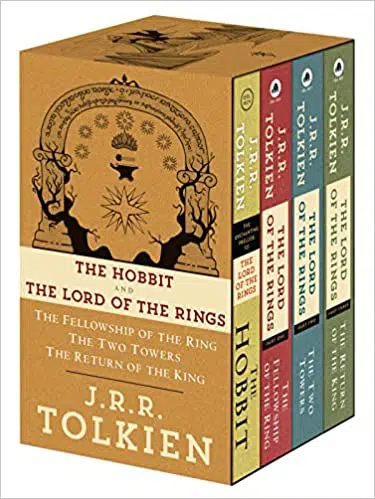
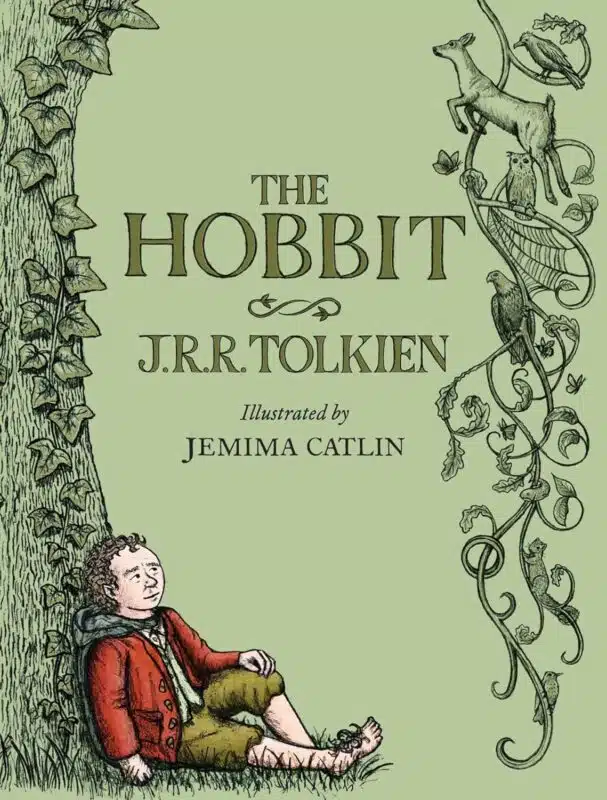
Yeah. So for us, as the kids got older, I would read aloud to the kids that were at home, and there would sort of be this free to come and go feeling with the older kids. So let's say we were reading The Hobbit, and the oldest, the high school son, he was working, he worked a few different jobs in high school, so he missed a few chapters while we were reading aloud. The next time, if he happened to be there and he could join us, I would say, "Okay, who wants to get Drew up to speed on what happened in The Hobbit last time?" Which is great. It's a very natural way to get in some narration, right-
Kelsey Murphy (17:26):
Yes.
Sarah Mackenzie (17:26):
... and discuss the book and find out if your kids are actually listening. So that's a really natural way to do that. But it also takes the pressure off so you can keep going. Because one of the problems is if you let your momentum stymie because your older kids aren't there, you just will find that you're not really reading aloud to anyone. So that's one of the things that we would do as the kids got older, and they would just be around less and less frequently for those whole family read-alouds than they were when they were younger.
(17:57):
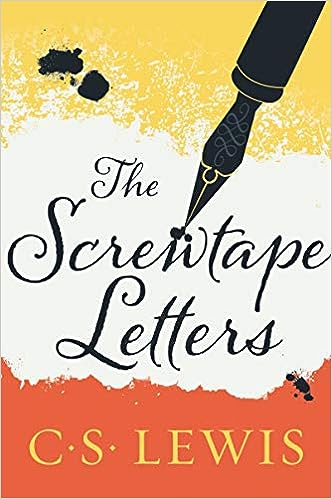
Would I require it? I'm trying to remember if I did require it. I probably need to ask my oldest children, "Did I require that? "I don't think I required them to listen to the whole family read-aloud, but I usually was reading aloud with the high schoolers something else. So let's go back to that same son in high school. He and I, I've talked about this on the show, because it was so impactful for me and for him, was reading The Screwtape Letters.
(18:23):
This is funny. A funny side note, I sent a text to Drew, who's now 19, I said, "Out of all the books we read in high school together, which one had the most profound impact on you?" And he wrote back instantly, Screwtape Letters." And I said, "Phew, I'm really glad that you said that, because I was just writing an article and that's what I wrote, but I wanted to make sure I was right." And he started laughing. He was like, "Why didn't you just say was Screwtape Letters?" I was like, "No, I didn't want to lead you. I wanted to know. I was actually curious. Maybe I shouldn't write this if it's not a hundred percent true." But he did. And I knew it was, because it was that impactful for me as well.
(18:58):
And that was an audiobook that he and I listened to separate from the younger kids. They weren't listening with us. And it was short. We would listen to 15, maybe 20 minutes a day, not even every single day, just like a couple times a week. And that's how I would read aloud older books with my older kids. But as for all family read-alouds, it was sort of like the older kids would come in and out, but they wouldn't necessarily be there all the time.
(19:25):
It's tricky, because we want to hold onto that all of us reading together.
Kelsey Murphy (19:31):
Yeah.
Sarah Mackenzie (19:33):
But we do have to also question, who is this for? Is it for them, or is it for us because we want to feel something about that? Is there another way we can feel connected all as a family, even if reading aloud together like we used to doesn't make sense as much anymore.
Kelsey Murphy (19:49):
Right. I shared this recently in our last Circle with Sarah, kind of similar, wanting to read aloud together as a family. The kids that I was reading with, my older ones, we were reading a series. And two of them were done after the first one and didn't want to continue on. And then I had one who really wanted to continue on reading this series together, him and I. And I kept telling him no, because in my mind, I was thinking, "Well, but your brothers don't want to read that. So we need to find something to read all together. We have to do it as a family." And I was trying to say yes to family read-alouds, but actually, I was saying no to my son. So I had to-
Sarah Mackenzie (20:34):
Interesting.
Kelsey Murphy (20:35):
Yeah. It was this mindset shift to say, "Oh, actually, you know what? I can read aloud with you. It can just be you and me, and that's okay. And that's actually really special that you and I can have this time together." We have these expectations as moms of what we want things to look like. And that's hard.
Sarah Mackenzie (20:56):
Yeah.
Kelsey Murphy (20:57):
Because family read-aloud time, that's a good thing, but it's also okay if it looks slightly different. If we're reading one thing with one set of kids and something else with another kid, we're still getting that connection time together, which I think is really important.
Sarah Mackenzie (21:14):
Yeah. I know you have six, I think Rebecca said she has six.
Kelsey Murphy (21:18):
I think so. Yeah.
Sarah Mackenzie (21:19):
There is that instinct we have... We need to be efficient with our time.
Kelsey Murphy (21:23):
Yes.
Sarah Mackenzie (21:23):
Because there are a lot of humans to raise and feed and educate here.
Kelsey Murphy (21:26):
Yes.
Sarah Mackenzie (21:27):
So I can feel it in myself even like, "Well, I don't have time to sit and read with one kid. I need to read with everybody or putting dinner in the crock pot." You know?
Kelsey Murphy (21:37):
Right.
Sarah Mackenzie (21:37):
But there is something really uniquely special. I mean, Drew and I read a lot of books together in high school, and still the Screwtape Letters is the one that he and I remember most. So even if we had just done that one, it would've been worthwhile. So I think realizing that that experience that you have with your son now, Kelsey, is going to be something that he'll remember and carry with him that is going to make probably mean more to him than it would have if it was a whole family read-aloud.
Kelsey Murphy (22:05):
Right. Yes.
Sarah Mackenzie (22:06):
Yeah.
Kelsey Murphy (22:07):
Yeah, it's so special.
Sarah Mackenzie (22:09):
Here's a pretty closely related question from Sarah.
Sarah (22:13):
Hi, Sarah. My name is Sarah as well. I am a homeschooling mom of four kids, ages 12, 10, 7, and three. I have really enjoyed getting to understand more about the importance of reading aloud to my kids through all of your books and, of course, from RAR Premium. My question is about reading aloud to a family of four with the age ranges that I have. So I have a 12-year-old who is a voracious reader. She reads everything from Harry Potter to cereal boxes, to my Honda manual in my glove compartment, and she just loves to read. My 9-year-old is a later reader and I think has a form of dyslexia, so he loves audiobooks. So reading aloud has been great for all of them through the years.
(23:14):
However, now that I have a three-year old and a 7-year-old who are with us during our homeschool day, I'm finding it hard to get books that appeal to all of them. So any tips you have would be great. I've considered reading aloud with my 12-year-old separately, but that is just very time-consuming and having to read with them each individually would be a lot to add to my day. Thanks, bye.
Sarah Mackenzie (23:48):
Yeah. This goes back to that what we were just talking about with your son where you do feel like, "Oh, if I read with one of them individually, I have to read with all of them individually."
Kelsey Murphy (23:55):
Right.
Sarah Mackenzie (23:56):
And there are a lot of them. So how does this work?
Kelsey Murphy (23:58):
There's a lot.
Sarah Mackenzie (23:59):
You're squarely in this same age group right now, right, Kelsey?
Kelsey Murphy (24:03):
I am. Yes.
Sarah Mackenzie (24:05):
So why don't you speak into this? Yeah.
Kelsey Murphy (24:05):
Yeah. So my oldest is 12, and my youngest is three also. So it is hard. And then I do have my ten-year-old who also loves audiobooks. He's a later reader too, but loves, loves audiobooks.
(24:21):
So I think one of the things that's helpful is that I don't actually require all of my kids to be in the room while I read aloud. I only actually require my oldest two. My third one, he's eight, he's just a little more squirrely. So I do ask that everyone starts in the room together, and I have him sit for about 10 minutes. And then if my older two want to continue on, we keep reading, and then my little ones go and play. And they kind of come and go, especially my eight and six-year-old. They will come and go. They'll go play, they'll come back, they'll ask some questions, they get caught up in the story, and then they'll go back, which I thought at first was maybe a problem. It's very distracting. It's not. It's actually not, because they're showing more of an interest. And I've noticed that my six-year-old especially has been lingering a little bit longer. So I think not requiring them to be in the room has been helpful. And I think reading for shorter amounts of time too can also be helpful.
Sarah Mackenzie (25:36):
One of the things I hear you saying, Kelsey, is you are responding to your children, not just ages, but also their personalities. Like you said, this one's a little more squirrely, that one. And I think that's so useful, because it's helpful for everybody listening to remember too, that it isn't like, once they're this age, they should be listening to X number of minutes of a read-aloud every day.
Kelsey Murphy (25:54):
Right.
Sarah Mackenzie (25:55):
It just depends. It depends on what's going on in their lives, what the circumstances are, whether they get a good night's sleep last night, whether or not... There's so many... But their personality is... There are so many different things that can play into that, but your child best as the parent, as the mom, you know your child. Absolutely, the best, better than anybody else on the face of the planet. So I think you can go with your gut and your God-given instincts on, "Should I make my child listen to this, or should I let them wander?"
(26:19):
But as far as choosing books for a wide range of ages, that can be kind of tricky. A lot of the books on our book list are a really good fit for a wide range of ages. That's what we're always looking for. I always seem to shoot for one of two things, either the middle child... So in my older set of kids, they were all about two years apart. And then there's a six years, and then we have our younger kids.
(26:40):
So with the older kids, I would kind of shoot toward Allison who was in the middle, because usually the books that appealed to her were not too far from Audrey from her interest, but also they weren't such a reach. Because if I was always choosing books for the oldest, then my son who at the time was also the one least interested in reading would have just thought reading was not for him. So I would either alternate between choosing books that I thought appealed to about Allison the middle age or that appealed to the child who was interested in reading the least. Because if I could grab them, then I'd have them. So I would oftentimes choose books that I thought Drew would particularly enjoy, knowing that I already had Audrey and Allison as readers. So now, I've just got to get this kid as a reader.
(27:21):
And it worked, because I'm telling you, when I went to Scotland to visit our oldest daughter at the University of St. Andrews, Drew came on an airplane from where he's studying abroad. It's amazing, in Austria. And when he got to Edinburgh to meet up with us, he had this whole bag overloaded with... Audrey was like, "What are you carrying? What have you been carrying through the airport?" And he's like, "Oh, there was this bookstore, and it had buy one get one half off. And it's bad economics not to buy books when it's buy one get one half off." So he pulls out six books he had bought at the airport. My 19-year-old college student while he's on a little vacation, and I thought, "I think I win. I'm pretty sure I win."
Kelsey Murphy (28:02):
Yeah. Your job is done. Yeah. If he's comparing economics and books, yes,
Sarah Mackenzie (28:09):
We're good. We're golden.
Kelsey Murphy (28:10):
Win.
Sarah Mackenzie (28:12):
But really, it comes down to those early days of noticing, "That's the kid who's not interested in books, so I'm going to choose books that appeal to him." And not every book equally appeal to everybody.
Kelsey Murphy (28:23):
No.
Sarah Mackenzie (28:23):
I usually try not to do too many fantasy books in a row, or my oldest daughter would be like, "Mom, please, can we please read something else?" Yeah. But it's going to be imperfect, but it all evens out over time, I think. Here is an interesting question from Angel.
Angel (28:43):
Hi, Sarah. My name is Angel, and we live in Florida. We're thinking about homeschooling. Our primary concerns regarding something that we never hear anyone talk about, and that is housework. How do you get things done? When do you cook, and how do you cook, and what do you cook? How do you find time to go out with the kids so that they engage in different activities? How do you find time to clean the house? How do you find time to work on future projects, etc. The other main thing is, how do you find time to date with your wife or husband? We have a two and a half year old and a five-month-old baby, and we barely have time to do any of these things and we're not even homeschooling yet. So how do you do it? How did you do it? Thank you so much.
Sarah Mackenzie (29:29):
I mean, you're at the hardest part of parenting. I think you're the hardest part of parenting right now.
Kelsey Murphy (29:34):
Yeah. Yes.
Sarah Mackenzie (29:34):
Your house will never be messier than it is right now. It's tricky. I'm going to read into your question a little bit, Angel, that maybe there's some sense of, "If we can't even figure out how to cook and what to cook and how to keep the house clean now while they're babies, how are we going to do this when they're also needing to be taught math and reading and grammar and history?"
(29:59):
But the truth is that every different phase of parenting requires something different, but nothing requires the kind of physical and actual attention that you are having to give your children right now. If you have a two and a half year old and a five-month-old, then your eyeballs have to be on those children all the time.
Kelsey Murphy (30:16):
All the time.
Sarah Mackenzie (30:18):
So you don't want to project the requirements that life are taking on you right now as far as they can't go to the bathroom by themselves, they can't pour themselves a bowl of cereal by themselves. You can't run to the grocery store by yourself. That's all going to change when they get older, and then there are other things that come in, like soccer practice and reading lessons, but that's offset by the fact that you're not having to tend to them like a baby or toddler. So I just want to affirm that you're in a really hard stage right now. And if you feel like this is really hard, it's because it's really hard.
Kelsey Murphy (30:55):
Because it is.
Sarah Mackenzie (30:55):
Yeah, absolutely. So I'd hate for you to think, "We're not doing this right," or, "There's some other key that we're missing." I just think my house was a perpetual mess, and we didn't eat the best home cooked meals when I had so many babies.
Kelsey Murphy (31:12):
Yeah.
Sarah Mackenzie (31:12):
I don't know. What do you think, Kelsey?
Kelsey Murphy (31:14):
Well, something you've talked about before, Sarah, is that God gives us grace for the season we're in right now. So it is hard to look ahead and to say like, "Oh, man, this is so hard right now. How are we going to add in homeschooling in a couple of years?" But the fact is you're not homeschooling yet, so you don't need to worry about that. God will meet you where you are and give you grace for the life that you have when you are living it. So I think that's an important perspective to keep in mind to.
(31:49):
And yeah, just to affirm that, maybe this is discouraging, I don't know, I don't think it's possible to have a perfectly clean home-
Sarah Mackenzie (31:55):
Yes. And homeschool.
Kelsey Murphy (31:56):
... and homeschool. Even if you don't homeschool, if you just have kids who live in your house.
Sarah Mackenzie (32:03):
Yes.
Kelsey Murphy (32:03):
I don't think it's realistic-
Sarah Mackenzie (32:05):
Yeah, exactly.
Kelsey Murphy (32:07):
... to have a clean home. But I get wanting to be able to have a home that's livable and not chaos all the time. I think that is completely valid. So I understand that.
(32:17):
Something that I've had to learn with just raising kids in general and then adding in homeschooling is to be flexible with my time. Again, I'm like this rule follower perfectionist, so I have this tendency to say, "Well, we're going to wake up in the morning, we're going to do this, this and this. We're going to do these chores, we're going to do all these things, and it's all going to be done by 10 o'clock in the morning." And that's just not realistic. So I've had to let go of those self-imposed expectations and boundaries that I'm trying to establish for myself. And it's okay if we don't eat breakfast until later, or if we eat lunch in the afternoon, if we're still doing math at three. That's okay. Maybe we've done something else in the morning.
(33:10):
And I think that goes along with the flexibility of dating your spouse as well. Yes, a date night out at a nice restaurant once a week, once a month even, that's our ideal, but that's not always going to happen. So can you squeeze in a lunch date? Can you have some time together while the kids are napping and do a quick lunch at home or something? So being creative with our time and not feeling like we have to stick to the typical school schedule. I'm thinking of the bell schedule that we grew up with.
Sarah Mackenzie (33:51):
Yes. Yes.
Kelsey Murphy (33:53):
You don't actually have to do that in your home. You can be in charge of the timing of different activities.
Sarah Mackenzie (34:00):
That's right. And I like that you're mentioning, too, that there is a trade-off, because I think sometimes we forget that homeschooling is additional parenting that you don't have to do if you put your kids in school.
Kelsey Murphy (34:12):
Right.
Sarah Mackenzie (34:13):
So if you're going to make that trade off, and I clearly thought, "This is worth it for all of my children," since we homeschooled them all.
Kelsey Murphy (34:18):
Right. Yes.
Sarah Mackenzie (34:19):
But there was a trade-off there. "Okay, well, what am I not going to be able to do because of this?" And some of that is, well, our house is not going to be as tidy as it would be. Although, I don't know, on the days that we go to homeschool co-op, our house is messier, because it's like the absolute chaos of trying to get out of the house.
Kelsey Murphy (34:35):
Yes. The whirlwind. Yeah.
Sarah Mackenzie (34:37):
Yes. And then everybody's gone, and then we come back and everyone's exhausted that I think, "Oh my gosh, maybe my house would be messier if my kids went to school." I don't know. I'm not sure. There's just no perfect situation.
Kelsey Murphy (34:48):
I mean, there's not.
Sarah Mackenzie (34:49):
It's living.
Kelsey Murphy (34:51):
Yeah.
Sarah Mackenzie (34:52):
Okay. Here is a question from Rachel.
Rachel (34:56):
Hi, my name is Rachel. I have three kids, ages four, two and one, and I'm new to the Read-Aloud Revival. And I've been reading them a lot of picture books, and at first, that was a lot of great successes. And they would get cozy with me, they would love it. But now, my four-year-old is starting to want nothing to do with books. And if I'm reading to my two-year-old or my one-year-old, she'll come in and start interrupting. And I'm fine with them asking questions about the story, but it's absolutely nothing to do with the story, just being very disruptive whenever she's doing that. And whenever it's her turn for me to sit with her and read aloud, she's like, "No, I don't want to. I don't read." So I'm just kind of not sure what to do with that, because I want to connect with her more and I want her to have a lifelong love of books.
(35:39):
And then also, if I'm reading them a longer story, they'll just be playing amongst themselves. And I know you said it's fine for them to be playing quietly, but when they play, they're not quiet. They're yelling and screaming and just very loud and disruptive. And I don't even think they can hear me whenever I'm reading. So I'm just very feeling disheartened, and I'm not sure what to do. And I would love for this to work out. Yeah. So if you have any tips or tricks about how they get them to continue to love books, please let me know.
Sarah Mackenzie (36:09):
What's your initial thought, Kelsey?
Kelsey Murphy (36:12):
Oh, I can relate, because my oldest went through a period when he was probably about the same age, like three, four, where he was very anti books and was like, "No," not interested at all in sitting down. "I don't want to look at a book. Don't give me a book. I want to play my trains and don't try to read with me." So part of it I think is just a normal kid phase. And it doesn't mean that they will hate reading forever. He's 12 now, and he doesn't hate reading.
Sarah Mackenzie (36:46):
Yeah.
Kelsey Murphy (36:47):
So that's okay. Also, these are little, little kids, so yes, it is going to be a challenge. I mean, I'm even impressed if you can get... How old are they? Four, two, and one?
Sarah Mackenzie (36:59):
Yeah, I think so.
Kelsey Murphy (37:00):
On the couch, reading, sitting for five seconds with you reading a book-
Sarah Mackenzie (37:06):
Impressive.
Kelsey Murphy (37:07):
... that's impressive. And I know right now, my three-year-old daughter, she's very into books, but then she wants to hold the book and she wants to read it to me, or she wants to bring me the book and then, kind of like she said, we're going off topic now, because she's talking about other things that are not in the book. And I think again, that's just normal developmental at this age. I think the key is that you just keep stocking books in your home, keep looking at books together, even if it's just for a minute and then they move on and do something else. I think that's okay, and I think it's totally normal.
Sarah Mackenzie (37:49):
Yeah. Totally, a hundred percent agree. A lot of it's about managing our own anxiety when our kids aren't responding the way we want them to.
Kelsey Murphy (37:55):
Oh, yes.
Sarah Mackenzie (37:57):
That's kind of the heart of parenting, honestly.
Kelsey Murphy (37:58):
Yes.
Sarah Mackenzie (37:58):
Whether it's to reading aloud or something else. But I think there have been periods of time where all of my kids have shown less interest or more interest in reading. Even if your kids are making a lot of noise, you might be surprised at what they're hearing. You could also say like, "Hey, who remembers what happened in this book?" But I would do it in a really casual, chatty way, not like a quiz way.
Kelsey Murphy (38:20):
Yeah.
Sarah Mackenzie (38:20):
But just to be curious because my son could jump on the trampoline, he could be doing with his cars and trucks and things and still know what was happening in the story.
Kelsey Murphy (38:30):
Picking up the story.
Sarah Mackenzie (38:30):
It was amazing.
Kelsey Murphy (38:33):
Yes. Yes, my boys are like that still.
Sarah Mackenzie (38:36):
Yeah.
Kelsey Murphy (38:36):
Something that's helped me with the little, little ones too is reading while they are occupied doing something else. So whether that's reading to them while they're taking a bath, pick a book that you're okay with maybe getting wet, because I know it's like splashed with those littles. But reading while they're taking a bath or reading while they're eating a snack or just turning on an audiobook in the car. Again, you don't have to do these long, drawn out, we're going to sit for... Even at this age, I think five minutes is plenty of time to sit and look through a book together.
Sarah Mackenzie (39:13):
Yeah. Agreed. Okay. All right. Let's listen to this question from Cindy.
Cindy (39:19):
Hi, Sarah. My name is Cindy, and I'm from Pennsylvania. My question is in regards to transitioning from picture books to chapter books. My daughter is just about five, and she loves picture books, but she relies really heavily on the illustrations to understand the story. I find that if the pictures don't exactly match up, if there's not a picture for every part of the story, she tends to ask a lot of questions and almost seem a bit lost. So when we have tried one or two easy beginner chapter books, they just haven't held her attention. She couldn't really tell me anything about it, just didn't seem to understand it again. So any advice on how I can help her develop that skill of really listening to the words and creating that imagery in her head. It's great that she loves the illustrations, but I really want her to be able to picture things on her own and using her imagination. So any advice would be greatly appreciated. Thanks so much.
Sarah Mackenzie (40:23):
This is such a good question. One thing to know about picture books, at least picture books as they're made now, is that usually the text and the story... The text doesn't tell all of the story, you need the pictures to understand what's going on. And the pictures don't tell all of the story, you need the text to understand, which is great because that requires us to use something they call in fancy language multimodal learning, where you're activating different parts of your brain to figure out what's happening in the story with language and with imagery, which are two different parts of your brain that you're activating there. This is why graphic novels can actually be a really excellent reading choice, even though a lot of people think they feel like cheating. They're actually engaging, lighting up more parts of your child's brain at one time.
(41:09):
Five years old, this feels very developmentally appropriate to me that a child would still want pictures and need pictures. She's probably going to develop the ability to create those visual images the more picture books she looks at. Because she's going to be hearing language and seeing visual images, and that is going to help her learn what that's like to be able to close your eyes and visualize something as it's being said, read or said to you.
(41:36):
Also worth knowing is that picture books tend to have better language, more grammatically correct sophisticated syntax and grammar than novels do. And I know that sounds backwards, or chapter books, but it's because publishers expect chapter books to be read by a budding reader themselves. So they scale down the complexity of the language and vocabulary so that a blossoming reader will be able to read it independently. But picture books are expected to be read by an adult to a child, so there's not even a reading level on a picture book. It's just a book. It's just a story. Usually, they have really excellent, not always, but they tend to have better, more complicated language.
(42:22):
I wouldn't think in your mind that you're taking a step-up when you go to chapter books or stories without pictures. I would keep reading her lots and lots and lots of picture books, help her flesh it out. If she's asking a lot of questions, I would answer them. And that will just give her the skills to be able to develop that imagery as she's listening to language. What do you think, Kelsey, anything come to mind for you?
Kelsey Murphy (42:45):
I think the great thing about picture books too is that it's actually a pre-reading skill for a child to be able to sit down with a picture book, not be able to read the text, but flip through the pictures and tell their own story in their mind to be able to look at the picture and say... You can ask questions. What do you think is happening? What do you think is going to happen next just based on the picture? And that helps them develop actually the structure of a story of very basic, even just beginning, middle, and end. So I think, yeah, like you said, if she wants to look at picture books, I would let her look all day long.
Sarah Mackenzie (43:26):
Yeah. Okay. Here's another similar but different question. This one's about audiobooks.
Katherine (43:31):
Hey, Sarah. This is Katherine. I have been a longtime listener and lover of your books and all of your homeschool guidance, and I've been reading all your book lists for years with my kids. And my daughter just turned eight, and we have been really big into audiobooks, especially during rest time, that kind of thing, especially as I have a new baby and another one on the way actually. So they've been great, but I'm having issues with having her want to read on her own up in her room. She prefers to do audiobooks. And I understand that. I often have to do that myself, because I'm trying to clean the kitchen and take care of four going on five kids. So how do I get her to love just sitting in her room and reading? How do I encourage some downtime reading over an audiobook without demonizing one, I guess, or making it seem like it's not as appealing? So if you could just give me some insight on that, I'd really appreciate it. Thanks a lot.
Sarah Mackenzie (44:36):
Yes, I have some kids who have a strong preference for audiobooks. I actually have a strong preference for audiobooks over.. I have a strong preference, I will say, for reading with my ears over reading with my eyes, which are just two different modes of reading. There are some distinct advantages actually to reading with your ears in that you have to take in every word in its grammatically correct form as a whole pattern, which you don't have to do when you're reading with your eyes because your eyes will naturally skip small connecting words and difficult words and your eyes do all kinds of skimming and skipping that your ears can't do when you're listening to an audiobook.
(45:09):
So just to confirm that the listening to a book is reading, and in some ways, it's elevated reading to reading with your eyes. That said, I also want my kids to read with their eyes, so I understand this desire to have your child read. Instead of putting them against each other, I would just pick a time of day that was like a 15-minute reading with our eyes time. So this isn't to say it's better or worse than audiobooks, it's just that we read all different ways. We read with our ears a lot of the time. But during this time after lunch or whenever it is that you want her to go to her room and read, it's reading with our eyes time, and we're just going to... It's short. I would keep it short.
(45:47):
My guess at age eight is that she prefers reading with her ears, because she can read books that are above her reading level that she can read on her own. So they're more interesting. And it's a lot of work to read with her eyes still. So we all as humans prefer to do the thing that's less work. That's just how we are. That's just how we're made.
Kelsey Murphy (46:07):
Yes.
Sarah Mackenzie (46:09):
I would keep it really short so she doesn't get tired. And I wouldn't worry too much. I keep thinking about my son who's 19 now. I know I've mentioned him several times in this episode. But he did not like to read with his eyes until he was 17, I think. I mean, he would prefer that either I read aloud or he listened to audiobooks for everything. And now, he has a very strong preference for reading with his eyes. So I think some of that too is if it's still really hard and it just feels like it's more tiring, then of course, she's going to prefer audiobooks to reading with her eyes.
Kelsey Murphy (46:44):
Yeah. I think it can also be helpful to listen while she follows along with the text as well.
Sarah Mackenzie (46:51):
Oh, yeah.
Kelsey Murphy (46:51):
Because then she's doing both. And again, I think the key is to keep it short, so say, "For 15 minutes, you can listen to this audiobook. I also want you to follow along in your book. And then after that, you can listen for 15 more minutes just to the audio." Just to keep it fun and not to feel like a chore.
Sarah Mackenzie (47:11):
I like it. Let's do one more. I think we have time for one more question, and this one comes in from Megan.
Megan (47:16):
Hi there. My name is Megan, and I live in Madison, Wisconsin. My question for you is, within a homeschool day, should I be trying to carve out specific reading time for quality literature versus lower in quality literature? My son, who has really always loved reading, he's eight years old. And because he just took right to it, he has already read all three of the books within the series of the Lord of the Rings, as well as The Hobbit. After that series, it's been a little difficult to get him to jump into another one. He does pick up good books every now and then, but he also has taken a great interest in comic books related to a certain very popular card game with lots of little pocket monsters as it were.
(48:17):
My concern is that he's really excited about them, and that's pretty much all he wants to read. I know he appreciates good literature, so I do try to steer him back toward that, especially within a homeschool day. I've started setting a time where everyone needs to read good quality books, is what I say, for about 20 minutes, and then I try not to push too much against the other "fun" books as we say. What would you think would be a good way of going forward? Is that a good plan? Would you recommend loosening up a bit? Thanks so much, Sarah. I really love your podcast. It means a lot to me. Thanks.
Sarah Mackenzie (48:56):
I bet you know what I'm going to say, Megan. Nobody comes to me to hear me say, "Batten down the hatches." Listen, he's reading the Lord of the Rings, so he is capable, able, and interested in quality literature. I think for kids who are not capable, none of my children would've been capable of reading anything close to the Lord of the Rings at age eight, reading a lot of fun books, light easy books is one of the ways that they develop fluency because they just need a large quantity of words. They need to read a large quantity of words, easy words to make it so they increase their fluency and their speed and proficiency. And once that happens, reading becomes easier, and then they want to do more of it. And then they naturally will start to read more and more.
(49:48):
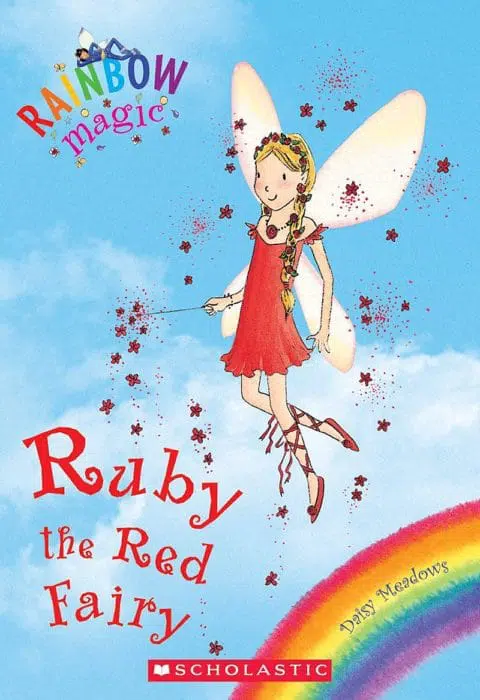
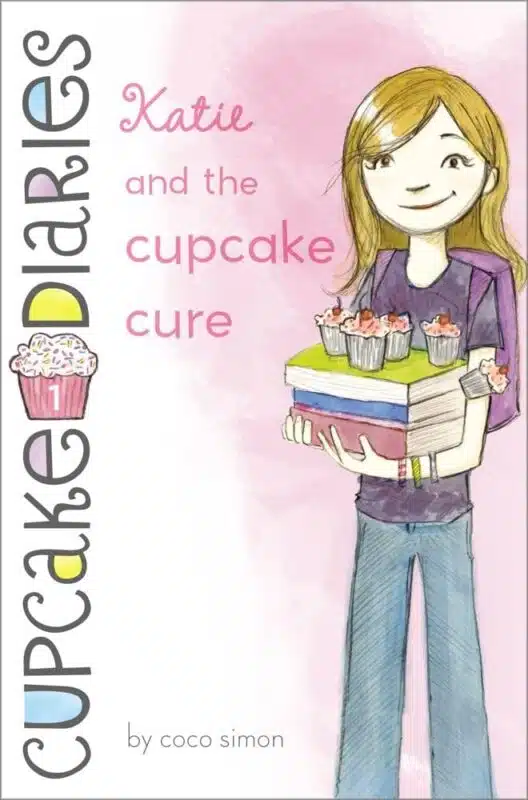
Now, I panicked with my oldest daughter really wanted to read. All she wanted to read was The Cupcake Diaries. The second daughter was those Rainbow Fairy books that are by Daisy Meadows, I think. And I was like, "Really? I am a homeschooling mom who's trying to inculcate my family with good literature, and this is what you're going to bring home from the library?" But those books actually had a really important place. One of the places they had was helping them develop speed and fluency and ease. Another part was they read a ton of them, like book after book after book, and started to develop this identity as a reader. "I'm somebody who reads all the time. I'm somebody who finishes a lot of books." That's a pretty powerful thing for a kid to grow up knowing about themselves.
(50:32):
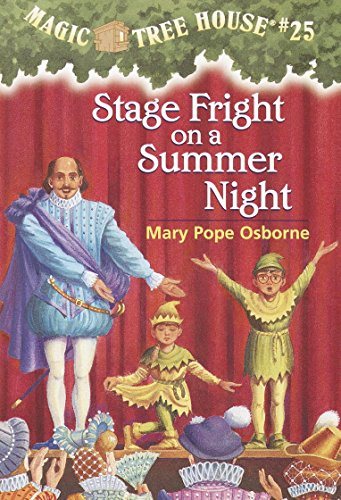
I would always prioritize reading the better literature out loud. So I never required my kids to read better literature or fun books. I would say, "It's reading time, you can read... It's time. You can read anything that's on our shelves that's been approved. You can read any of those things." Whether it was a comic book or Lord of the Rings, it didn't really matter. It was the reading time. But when I was reading aloud to them, I would try to, not always, we'd also read some fun book, like what you might classify as a fun or a light book. But for the most part, I was choosing books that had beautiful language, because taste is developed over time. So then we were able to slowly over time, at some point, they will only read so many Magic Treehouse books before they realize they're kind of all the same, and I want something else. I don't know. What are your thoughts, Kelsey?
Kelsey Murphy (51:20):
I think fun books definitely have their place. And I can identify with that, because I read so many Babysitter Club books growing up. And like you said, Sarah, it really did-
Sarah Mackenzie (51:31):
Same.
Kelsey Murphy (51:32):
Yes, we've talked about this.
Sarah Mackenzie (51:33):
Yes.
Kelsey Murphy (51:34):
It really did help me become a reader, because there's a million of them in a series. And to go through a series like that, it is really satisfying. And I would say he's eight, it's pretty normal that he wants to read comic books. I think the word twaddle gets thrown around in homeschooling circles sometimes, and I don't want to totally throw that under the bus. I just want to point out that sometimes when we use twaddle that refers to just the fun books, not the great literature. It can be more fear inducing than helpful.
Sarah Mackenzie (52:14):
I think that's true.
Kelsey Murphy (52:16):
We get this idea of like, "Oh, well, we can't let our kids touch any twaddle at all, ever." And like you said, Sarah, if we're prioritizing reading aloud great literature, then yeah, they can go read those fun twaddle books and they'll be okay.
Sarah Mackenzie (52:33):
Another thing is-
Kelsey Murphy (52:34):
And I bet he will love to read as he... I mean, it seems like he does already.
Sarah Mackenzie (52:39):
Yes.
Kelsey Murphy (52:39):
He's going to be a reader.
Sarah Mackenzie (52:41):
He'll be a reader no matter what.
Kelsey Murphy (52:42):
Yeah.
Sarah Mackenzie (52:42):
Yes.
Kelsey Murphy (52:42):
Yeah.
Sarah Mackenzie (52:43):
One of my issues with the word twaddle or the way we talk about classifying books as better or worse, of course, there's a different literary quality. But as a person who likes things, for example, if someone was to say, "Downton Abbey is twaddle," that would not make me enjoy Downton Abbey any less. It would just make me not want to talk about Downton Abbey with the person who was calling it twaddle. Right?
Kelsey Murphy (53:09):
Right.
Sarah Mackenzie (53:10):
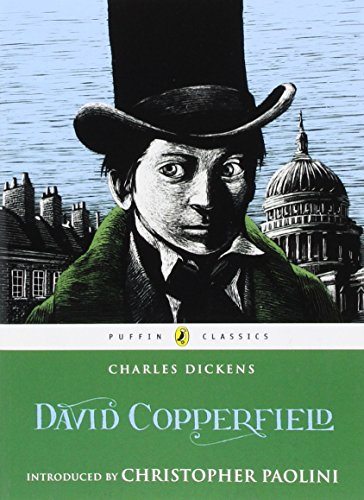
So I think that often happens with, whether it's shows or books, of course, we're going to talk about books here, is that actually as an adult voracious reader, I like to read David Copperfield and some light beachy reads in the summer or randomly. You can have a full palette of all that like this, a whole feast full of different kinds of books. You can have a full palette.
Kelsey Murphy (53:32):
Yeah.
Sarah Mackenzie (53:33):
So it doesn't preclude you from being somebody who's a serious reader who reads good literature just because you also read some things that are lighter and more fun. And we all do it, because we all scroll social media. So we're all reading twaddle all the time. So I just think I would be careful, I think. I would be more careful than I was. I would like to go back and tell myself with my oldest kids, "Be more careful about how you talk about books."
(53:57):
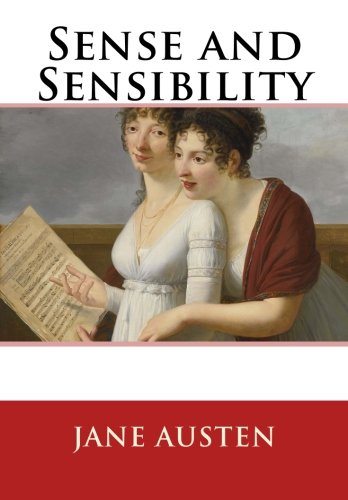
My oldest daughter went through a phase in high school where she loved Amish Christian fiction, and I was like, "Really? Don't you want to read Sense and Sensibility or something?" Well, she does now, and maybe she would then too, but it was a part of her own reading journey. And I don't think it made... I regret any sense that I gave my kids that they couldn't trust their own reading taste, because I think that's something that we want to help them learn to do is read something, and even if the rest of the world says this isn't that great, you're still allowed to like it. Which is good because the rest of the world right now doesn't think classics are all that great, and you're still allowed to like them.
Kelsey Murphy (54:37):
Right. Yeah.
Sarah Mackenzie (54:37):
So you can go both directions.
(54:44):
Well, let's go hear from some Read-Aloud Revival kids about the books that they're loving right now.
Speaker 16 (54:54):
What's your name?
Speaker 17 (54:54):
Taylum.
Speaker 16 (54:57):
How old are you?
Speaker 17 (54:58):
Four.
Speaker 16 (55:00):
And where do you live?
Speaker 17 (55:02):
Texas.
Speaker 16 (55:04):
And what's your favorite book right now?
Speaker 17 (55:07):
Cyborg.
Speaker 16 (55:09):
Cyborg?
Speaker 17 (55:10):
Origin story.
Speaker 16 (55:10):
The Cyborg Origin Story. Why do you like that book?
Speaker 17 (55:14):
That's my favorite. I didn't read the Flash origin story yet.
Speaker 16 (55:14):
Do you want to say bye?
Speaker 17 (55:23):
Bye.
Sochi (55:26):
Hi, everyone. My name is Sochi from Las Vegas, Nevada, and I recommend The Fault in Our Stars. It has a very good message in it, and you will get a very good lesson at the end of the book.
Salvador (55:38):
Hello, my name is Salvador. I'm from Las Vegas, Nevada. A book I recommend is The Librarian of Auschwitz, because it tells you what went down in the biggest concentration camp in World War II.
James (55:51):
Hi, my name is James. And I'm eight years old, and I'm from Houston, Texas. And my favorite book is Pollyanna and I like The Glad Game.
Reed (56:03):
Hello, my name is Reed. I am eight years old. I live in Lubbock, Texas. I really like this book series Action Presidents. The Abraham Lincoln one is my favorite. These books are great if you love history and presidents like I do.
Eli (56:19):
Hello, my name is Eli. I live in Lubbock, Texas. I'm almost seven. And my favorite book is Frankie Pickle, because the name is pretty funny. In journey books, I like the most in his book is like Dreaming Journey book. And I especially like when my brother reads it to me.
Holly (56:40):
Hi, my name is Holly, and I live in Texas. And my favorite book is Frog and Toad, because frogs and toads are black.
Gemma (56:56):
My name is Gemma. I am 13 years old. I live in Lubbock, Texas. And my favorite book is The Selection by Kiera Cass. It's a five-book series, plus novellas. And I really like how the characters are written, and the plot is really exciting.
Max (57:16):
Hello, my name is Max. I am 12 years old, and I am from Lubbock, Texas. My favorite book is a Wolf called Wander by Rosanne Parry. And I really like this book, because it is in a POV of a wolf.
Speaker 26 (57:35):
What's your name?
Charlie (57:36):
Charlie.
Speaker 26 (57:37):
How old are you?
Charlie (57:38):
Free.
Speaker 26 (57:39):
Where do you live?
Charlie (57:40):
In Texas.
Speaker 26 (57:43):
What is your favorite book?
Charlie (57:45):
Jamberry.
Speaker 26 (57:46):
Why do you like Jamberry?
Charlie (57:47):
Because I love Jamberry, but... I just love Jamberry.
Speaker 26 (57:54):
You just love Jamberry. It's a good one.
Charlie (57:57):
Yes.
Sarah Mackenzie (58:00):
Thank you. Thank you, kids. Show notes for this episode are at readaloudrevival.com/263. We'll be back in two weeks with another episode for you. But in the meantime, you know what to do. Go make meaningful and lasting connections with your kids through books.